
Coffee machine: capsules, pods or bean-to-cup espresso?
One coffee in the morning or six a day, a strong espresso or a large cappuccino: the right machine depends on your habits. And over a year, the price of each cup often matters more than the price of the machine.
- Capsules : simple and quick, but each cup costs more
- Grinder : fresh beans, better taste, cheaper cup
- Milk: steam nozzle or automatic milk frother
- Descale regularly: Belgian water is often hard
The three main types
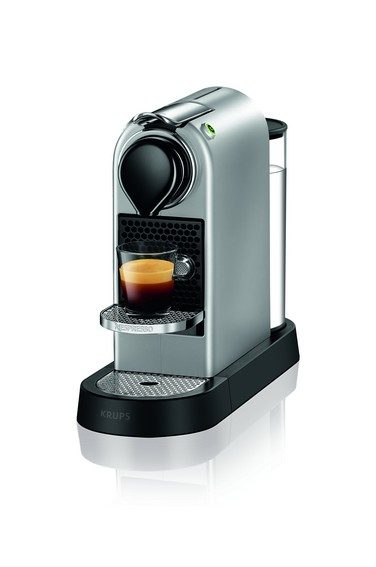
Capsules and pods
Pop in the capsule, press the button, and it's ready. Clean and quick, with a wide choice of flavours. Soft pods mostly make long coffee.
1 to 3 cups a day
Bean-to-cup espresso
The beans are ground just before extraction: aromas, crema, and a much cheaper cup. Models with a frother make cappuccino and latte at the touch of a button.
heavy drinkers, families
Manual espresso
A portafilter as in a café: you dose, tamp and adjust everything. You need a grinder and a bit of practice.
enthusiasts
The cost per cup
That's the argument people forget most. Roughly speaking, a capsule often costs €0.35 to €0.60, while a cup made with ground coffee costs rather €0.15 to €0.25 depending on the coffee chosen. At four cups a day, the gap quickly exceeds €200 a year: a bean-to-cup machine then pays for itself in one or two years.
Rough estimates only: they depend on the coffee and capsules chosen.
The criteria to consider
- Drinks : espresso on its own, or also lungo, cappuccino, latte, hot chocolate.
- Milk : manual steam wand or automatic milk frother; a milk circuit must be rinsed after each use.
- Water tank : the bigger it is, the less often you have to refill it; removable makes it more convenient.
- Space : height under wall cabinets, depth on the worktop.
- Maintenance : guided descaling programme, removable brew group, easy-to-empty grounds drawer.
Water is often hard in Belgium. Set the water hardness in the machine, use a filter if it accepts one, and descale as soon as the indicator light comes on: your machine will last for years.
And for tea?
A temperature-adjustable kettle makes all the difference: 70 to 80 °C for green tea, 90 to 95 °C for black tea and herbal infusions. Also look at the anti-scale filter and the capacity (from 0.8 to 1.7 L).
Our coffee machines and kettles
Prices and availability shown on product pages are the reference; Nimesclub members often get a reduced price.
All our small kitchen appliances are in the small appliances.
Frequently asked questions
Is a bean-to-cup machine worth it?
If you drink several coffees a day, it often is: a cup made with ground coffee generally works out much cheaper than a capsule. For one or two coffees a day, capsules remain convenient and the difference is smaller.
Should you descale your coffee machine?
Yes, regularly, according to the machine's indicator. Limescale is the leading cause of breakdowns. A water filter, when the machine accepts one, spaces out descaling.
Steam wand or automatic frother?
A steam wand lets you make the foam yourself, as in a café: more control, a bit of practice needed. The automatic frother prepares cappuccino or latte at the touch of a button.
Are capsules recyclable?
It depends on the system and on your local council: check the collection arrangements for aluminium capsules or for compatible compostable capsules.
Come and see the appliances in person
At our Temploux shop, we open the doors and compare drums and finishes. Or ask our expert sales adviser online, right now.
Read next
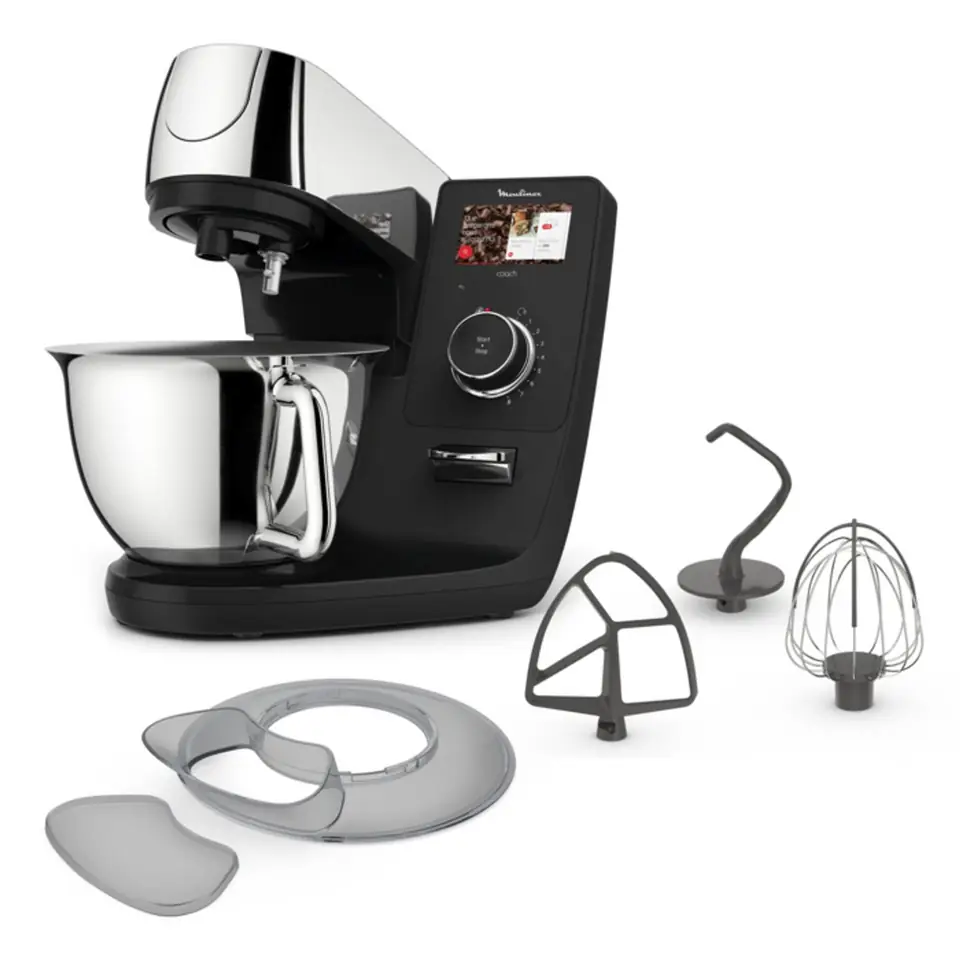 Buying guideStand mixer, food processor or blender: which one to choose?A kitchen appliance that stays at the back of the cupboard is useless. The right choice starts with what you like to make: cakes and breads, soups and smoothies, grated vegetables, fresh juice. Here's how to find your way.2 min read
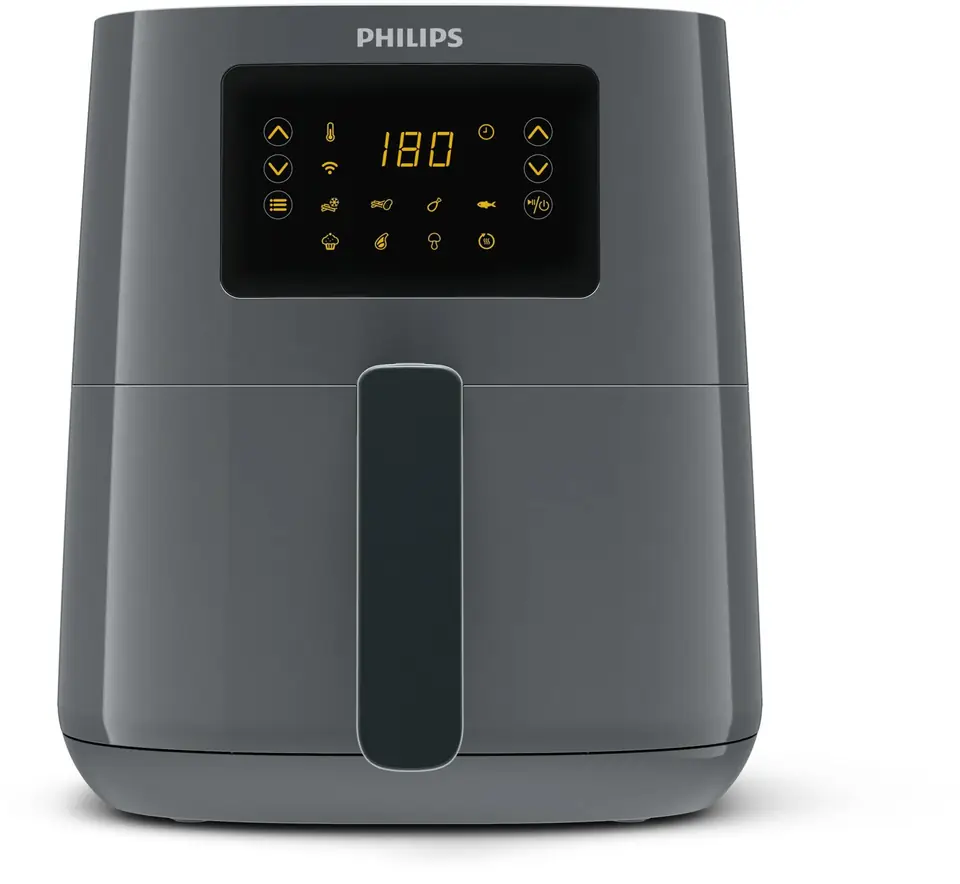 Buying guideAir fryer, deep fryer, raclette, plancha: choosing your sociable cooking appliances wellGolden chips, a raclette with friends, pancakes on Sunday: these appliances are a pleasure and often get used. The most important thing is to choose the right size for your table.2 min read
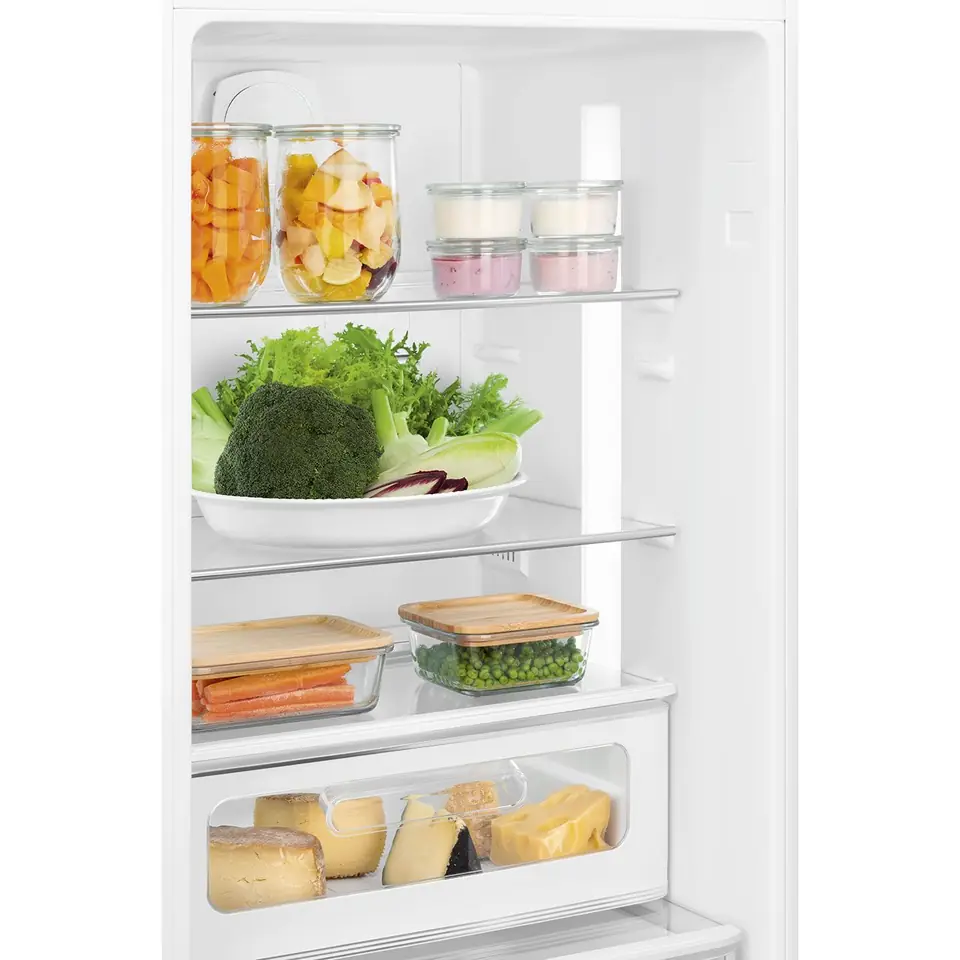 Frequently asked questionsAppliances: the questions we're asked most oftenEvery day at our Temploux shop, we get the same good questions. How many litres do I need for my fridge? Can my electrical installation handle induction? Why does the Eco programme take three hours? Who should I contact if something breaks down? Here are our answers, sorted by theme.7 min read