
Oven modes explained: fan, bottom heat, grill, steam, air fry… when to use what
A fan, two lines, a drop, a little grid: the symbols on your oven aren't there just for decoration. Each mode heats differently and suits particular dishes. Here is the complete guide, mode by mode, with a large chart so you can finally know what to choose.
- Fan oven : the all-rounder mode, several shelves
- Natural convection : pastry, slow-cooked dishes, a single shelf
- Grill, base heat, steam, air fry : the finishing touches that make the difference
- Probe and pyrolysis : everyday comfort
Why so many modes?
A multifunction oven hides several heat sources: one top element at the top, a bottom element at the bottom (often under the enamel), a grill element and, at the back, a fan often surrounded by a circular element. Each mode combines these elements differently. Choosing the right one means choosing where the heat comes from and how it circulates: enough to turn a pale gratin into a golden one, or a dry cake into a moist one.
The names vary from one brand to another (Hotair 3D at Bosch, 3D hot air at Siemens, Twin Convection at Samsung, fan-forced heat at Beko or Whirlpool), but the symbols are more or less universal. If in doubt, your oven's manual is the authority.
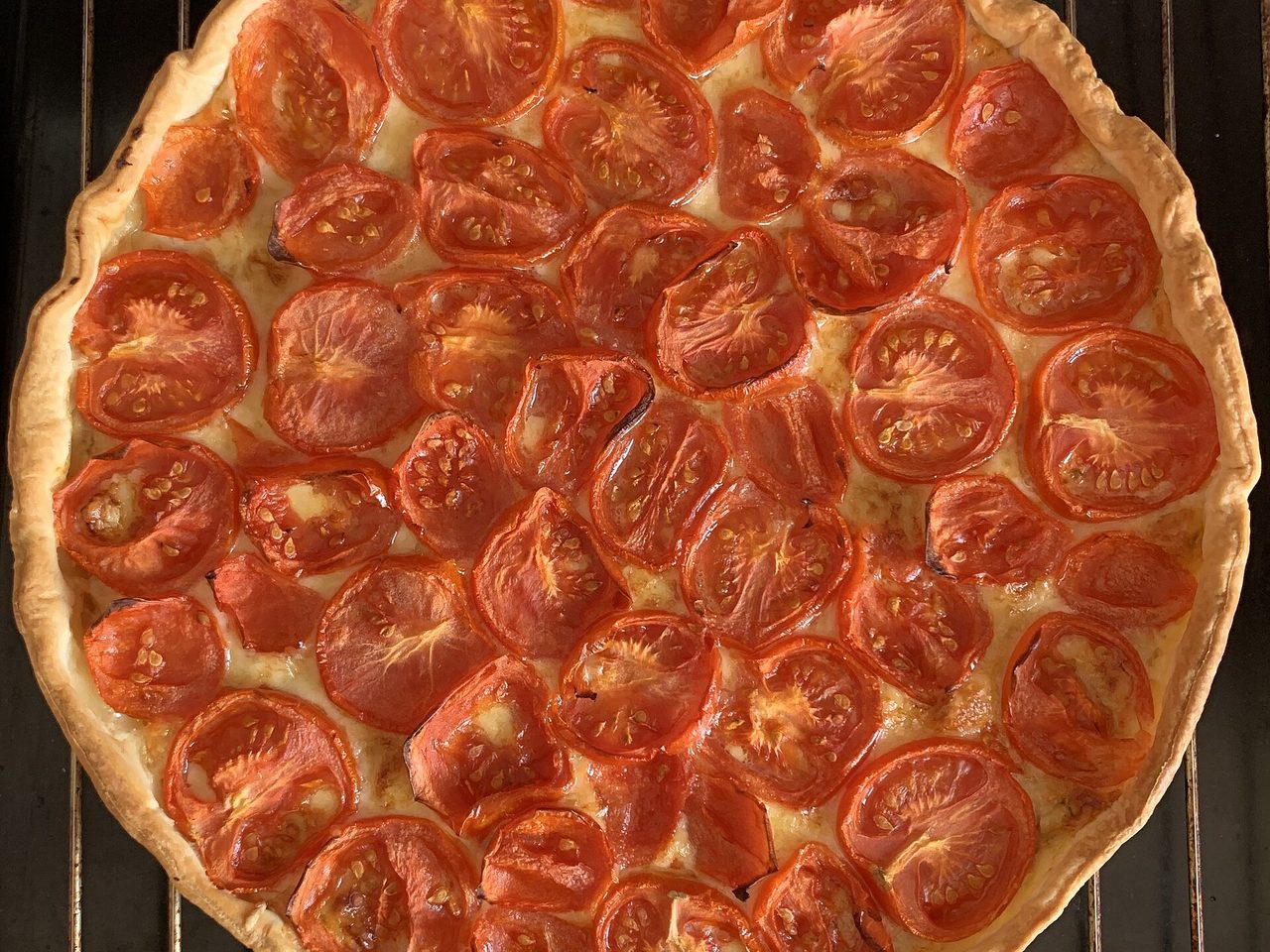
The big table of modes
| Fashion | Usual symbol | How it heats | Ideal for | Typical temperature | Shelf position |
|---|---|---|---|---|---|
| Fan oven (forced, 3D) | Fan inside a circle | Circular element and fan, hot air circulated throughout | Roasts, vegetables, biscuits, cooking on 2 or 3 shelves | 160 à 200 °C | All, several at once |
| Conventional (top and bottom heat) | One line at the top and one at the bottom | Top and bottom elements, no fan | Cakes, loaves, soufflés, casseroled dishes, bread | 150 à 220 °C | One only, often shelf 2 |
| Circulated heat | Two lines and a fan | Top and bottom elements, with the fan distributing the heat | Tarts, quiches, slightly thicker pastries | 170 à 200 °C | 1 or 2 |
| Bottom element only | One line at the bottom | From below only | Finishing the base of a tart, bain-marie, preserving | 150 à 200 °C | 1 |
| Bottom element and fan (pizza mode) | Line at the bottom and fan | Strong bottom heat and circulated air | Pizza, quiches, juicy fruit tarts | 200 à 250 °C | 1 or 2 |
| Grill (large or small) | Zigzag at the top | Intense radiant heat from the top element | Browning, toast, croque-monsieur | Maximum power | 3 or 4 (near the grill) |
| Fan grill (turbo grill) | Zigzag and fan | Grill and circulated air | Poultry, roasts, grilled vegetables, crispy skin | 180 à 220 °C | 2 |
| Gentle heat, eco | Fan with "eco" | Optimised fan heat, residual heat | Long cooks, simple dishes, energy savings | According to the manual | 2 |
| Low temperature | Varies by brand | Gentle, steady heat | Tender roasts, confit, long cooking | 70 à 120 °C | 2 |
| Pure steam | Droplets | 100% steam (steam oven or combi-steam) | Vegetables, fish, rice, reheating | 40 à 100 °C | Depends on the dish |
| Assisted steam | Fan and droplets | Fan heat with bursts of steam | Bread, pastries, juicier roasts, fish | 150 à 230 °C | 1 or 2 |
| Air fry | Varies (often a basket or a chip tray) | Very hot air circulated vigorously, perforated tray | Chips, nuggets, crispy vegetables, chicken wings | 180 à 220 °C | Check the manual, often 2 or 3 |
| Defrosting | Fan and snowflake | Fan only (or very little heat) | Gently defrost bread, cakes, dishes | No heat | 2 |
| Dough proving | Variable | Very gentle heat | Bread, brioche, pizza dough | 30 to 40 °C | 1 or 2 |
| Keeping warm | Variable | Gentle heat | Keeping a dish ready for a few minutes | 60 to 80 °C | 2 |
Shelf positions are almost always counted from the bottom. Temperatures are guidelines only: they vary depending on the oven, the size of the dish and the recipe.
Fan oven: the all-rounder mode
The fan, at the back of the oven, circulates air heated by a ring element. Heat reaches every side at once: the dish browns evenly, and you can bake on several shelves at the same time without flavours mixing. This is the mode to choose for roasts, such as our roast chicken, roasted vegetables, biscuits or a full meal.
Two tips: reduce by 20 °C compared with a recipe written for conventional heat, and never cover the base with aluminium foil, as it blocks air circulation.
Conventional heat: the tradition
Heat comes from the top and bottom elements, without a fan: it rises gently, just like in old-fashioned ovens. This is the mode for delicate cakes (sponge, soufflé, loaf cake), which rise better without draughts, and covered casseroles, such as our Flemish beef stew. On the other hand, stick to a single shelf, in the middle of the oven.
Fan-forced or circulated? People often confuse the two. The forced-air setting (or fan oven) uses the ring element around the fan. The circulated heat keeps the top and bottom elements and adds the fan to distribute the heat: perfect for tarts and quiches.
Bottom heat and pizza mode: for crispy bases
The base element alone heats only from below. It's used at the end of cooking to crisp the bottom of a tart, or for a bain-marie. Combined with fan heat, it becomes the pizza mode : a well-set base and a golden top, ideal for pizzas, quiches and juicy fruit tarts, such as the tarte Tatin.
Grill and fan grill: the finishing touches
The grill sends intense heat from above: it gratinates a dish in minutes. Place the shelf close to the top element (level 3 or 4) and stay by the oven, as timing is everything. The fan grill (or fan grill) adds the fan: the heat surrounds the food, making it ideal for a whole bird, ribs or grilled vegetables. For gratins, such as our chicory au gratin, the grill is used for finishing, after cooking.
Steam: pure or assisted
A steam oven or combi-steam oven cooks with 100% steam, up to 100 °C: crisp vegetables, pearly fish, rice, reheating without drying out. A assisted steam (or added steam) is a multifunction oven that injects steam during conventional cooking: bread crusts are better, roasts juicier, fish more tender. Some models offer simple steam, by pouring water into a tray at the bottom of the oven. To see what each one changes on the plate, read our steamed salmon and our homemade bread.
Air fry: crispy without a deep fryer
The air fry mode works like an air fryer: very hot air, circulated vigorously, around food placed on a perforated tray. The result: crispy chips, vegetables or chicken wings with a spoonful of oil. The golden rule: a single layer, without overcrowding. Our settings and our comparison with the real Belgian frite are in homemade oven chips.
The cooking probe: the built-in thermometer
The probe is a metal rod inserted into the centre of the meat, connected to the oven (by cable or wirelessly depending on the model). You set the desired core temperature, and the oven alerts you or switches off when it's reached. A few guidelines: 55 °C for a rare beef roast, 65 °C for a pork fillet, 75 °C for poultry in the thigh, 50 to 52 °C for pearly salmon. No more overcooked roasts or opening the door every ten minutes.
Pyrolysis, catalysis, hydrolysis: cleaning
Pyrolysis
The oven heats to around 500 °C, door locked, and reduces soiling to ash that you simply wipe away. Remove shelves and accessories not designed for the cycle beforehand.
Catalytic cleaning
Porous enamel walls that oxidise grease during cooking above around 200 °C. The base and glass still need cleaning, and the enamel wears over the years.
Hydrolysis
A little water on the base and a short programme that softens the grime. Handy for regular upkeep, but it isn't automatic cleaning.
Do a simple test with your oven: one tray of biscuits on fan heat, another on conventional heat. You'll immediately see the difference in browning, and you'll know how your oven behaves. And if you buy a new oven, ask us for a demonstration in store: we'll show you the modes that really matter for the way you cook, not the 40 programmes you'll never use.
Which oven for which modes?
All multifunction ovens have fan heat, conventional heat and grill. What makes the difference are the extras: probe, steam, air fry and pyrolysis. A few examples from our range:
- Cooking probe : Siemens HB774G2B1 (iQ700, 1 229,99 €), Hisense BSA66334PX (with assisted steam and AirFry, 599,99 €).
- Assisted steam : Bosch HQG572BB3F (Hotair Steam and Air Fry, 929,99 €), Beko BBIS17301BMPC (VapeurAssist, 549,99 €), Samsung NV7B4550VAK (simple steam and cavity separator, 949,99 €).
- Air fry : Whirlpool WOI68PT1SXAF (1 049,99 €), LG WS5D7230S (699,99 €).
- Simple, effective pyrolysis : Bosch HBA274BB3F (Série 4, Hotair 3D, 809,99 €).
Prices recorded on 15 October 2026: the product page is definitive, and Nimesclub members often get a reduced price. All our built-in ovens are in the built-in ovens.
Multifunction ovens in store
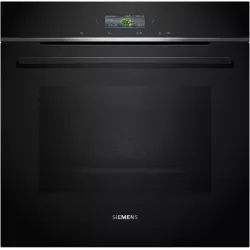 SIEMENS HB774G2B1 Built-in Oven€1,229.00
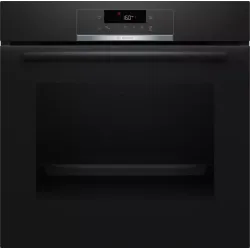 Built-in oven BOSCH HQG572BB3F€929.00
 Built-in oven HISENSE BSA66334PX€599.00
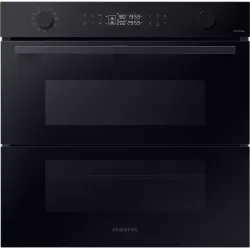 Built-in Oven SAMSUNG NV7B4550VAK€949.00
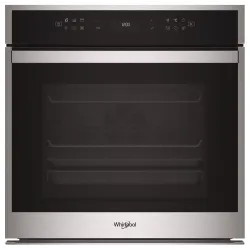 Built-in oven WHIRLPOOL WOI68PT1SXAF€1,049.00
 Built-in Oven BOSCH HBA274BB3F€809.00
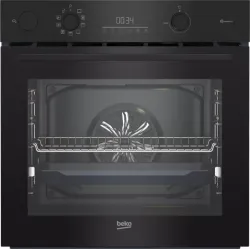 BEKO BBIS17301BMPC Built-in Oven€549.00
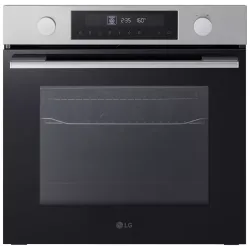 Built-in oven LG WS5D7230S€699.00
Frequently asked questions
Should you lower the temperature for fan oven cooking?
Yes, generally by 20 °C compared with a recipe written for conventional heat: 200 °C conventional roughly equals 180 °C fan. Circulated air transfers heat more efficiently.
Should you always preheat the oven?
For baking, bread, quick gratins and short cooks, yes. For slow-cooked stews, roasts with a probe, or frozen foods on ovens with a cold-start function, it isn't essential. Rapid preheating on many recent ovens cuts down the wait.
Is circulating hot air drying out food?
A little more than natural convection, because the air moves. That's an advantage for browning and crisping, a drawback for a cake or a very long roast. In those cases, lower the temperature, cover the dish, or use assisted steam if your oven has it.
Is the oven's air fry mode really different from fan-assisted (convection) cooking?
Yes: the fan runs faster, the temperature is higher and the food is placed on a perforated tray so the air can circulate underneath. The result is a crispiness close to that of an air fryer, with very little oil.
How much does a pyrolysis cycle cost?
A cycle uses several kilowatt-hours depending on the oven and the duration selected. The manual and the product sheet give the exact figure. It's best to start pyrolysis right after cooking, while the oven is still warm, and only when it's really dirty.
Can you cook on three levels at once?
With good fan-assisted cooking (often called 3D, Hotair 3D or 3D forced air), yes: biscuits, petits fours, roasted vegetables. Allow a few extra minutes and check the browning tray by tray.
The right oven makes all the difference
Steam ovens, pyrolytic ovens, induction hobs: come and see them at our Temploux store, or ask our expert salesperson for advice.
Read next
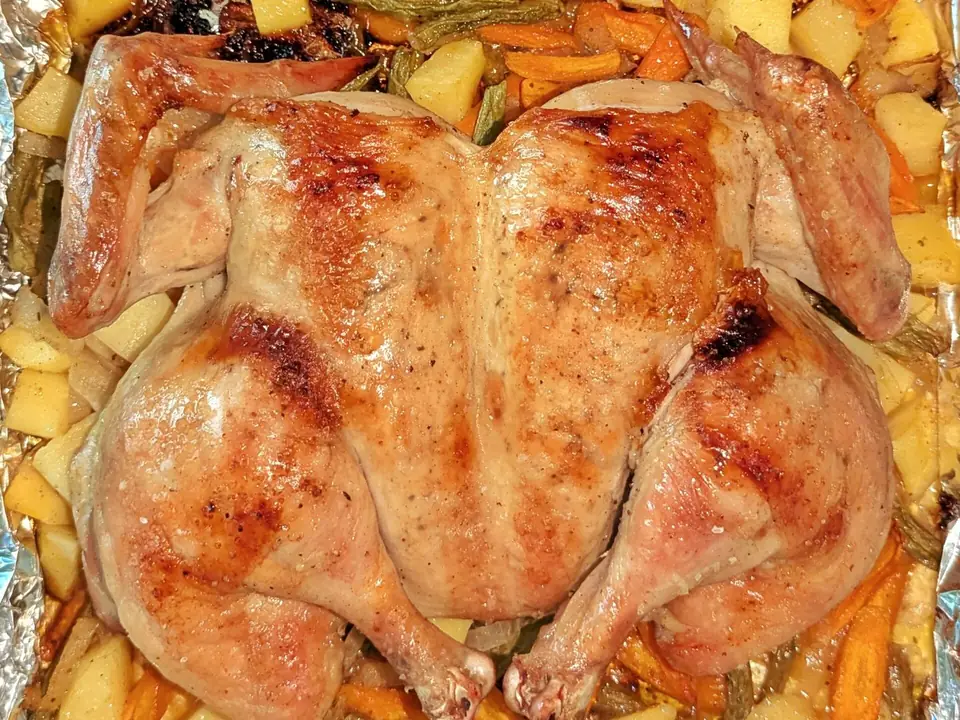 RecipeCrispy roast chicken and autumn vegetables: the fan oven, grill and probe methodGolden, crackling skin, juicy meat, vegetables confit in the juices: Sunday roast chicken is no great mystery. With fan-assisted heat, a blast of grill at the end and, if your oven has one, a temperature probe, you'll get it right every time.1 h 40 · Easy · Serves 4
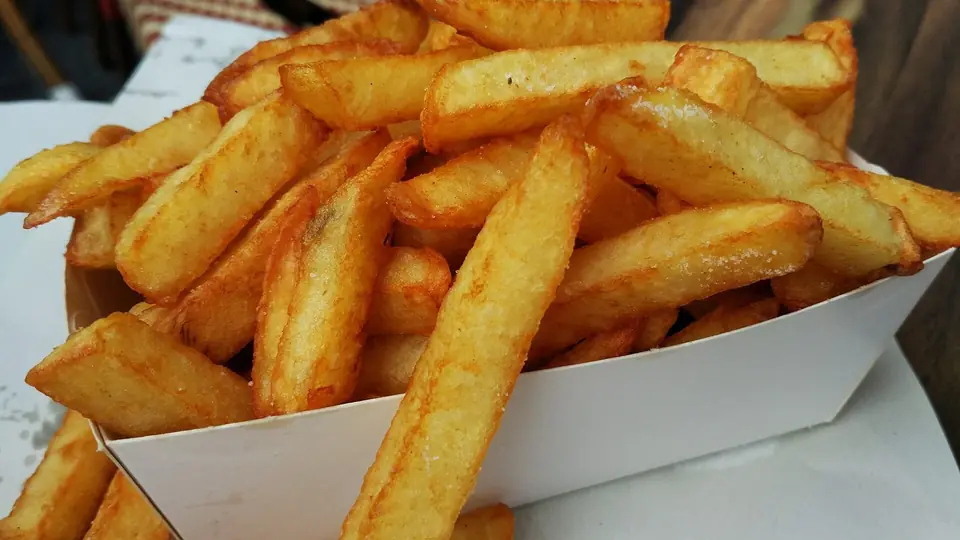 RecipeHomemade chips: in the oven's air fry mode, on fan heat, or the real Belgian friteIn Belgium, we don't mess around with frites. Newer ovens have an air fry mode that promises crispy chips with a spoonful of oil: is it worth the real double-cooked frite? Here are the three methods side by side, with the right settings and a straight-talking comparison.45 min · Easy · Serves 4
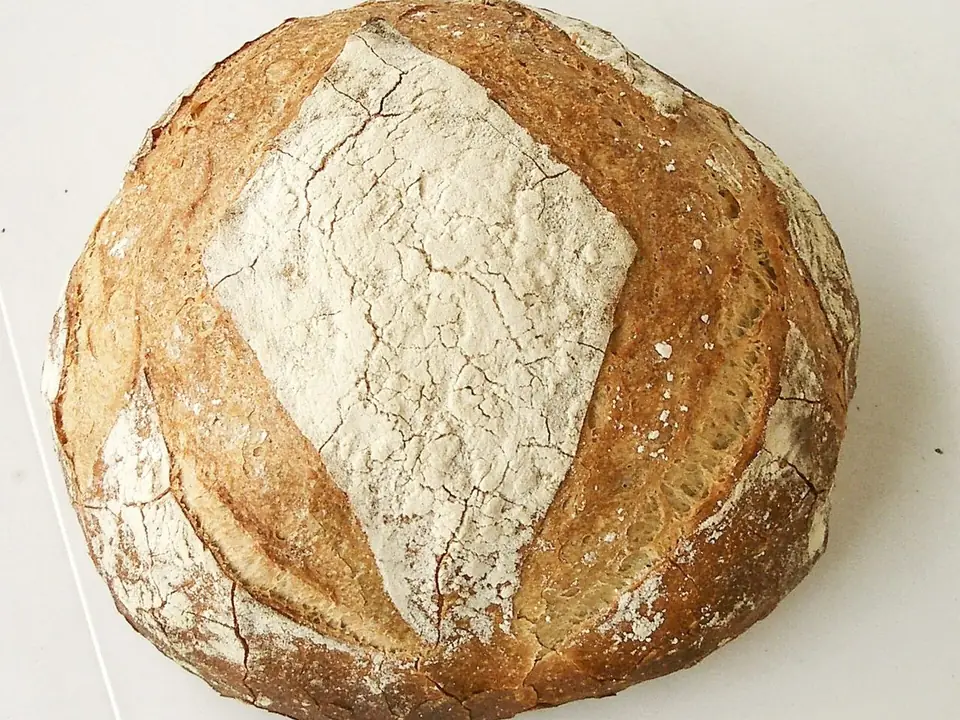 RecipeHomemade crusty bread: in a casserole or with steam, the crust that singsA golden crust that crackles under your fingers, a soft, airy crumb, the smell of warm bread through the whole house: making your own bread is simpler than you think. The secret to a good crust is steam at the start of baking. A cast-iron casserole creates it naturally, and many recent ovens can inject it.18 h 45 · Easy · 6 servings