
Homemade crusty bread: in a casserole or with steam, the crust that sings
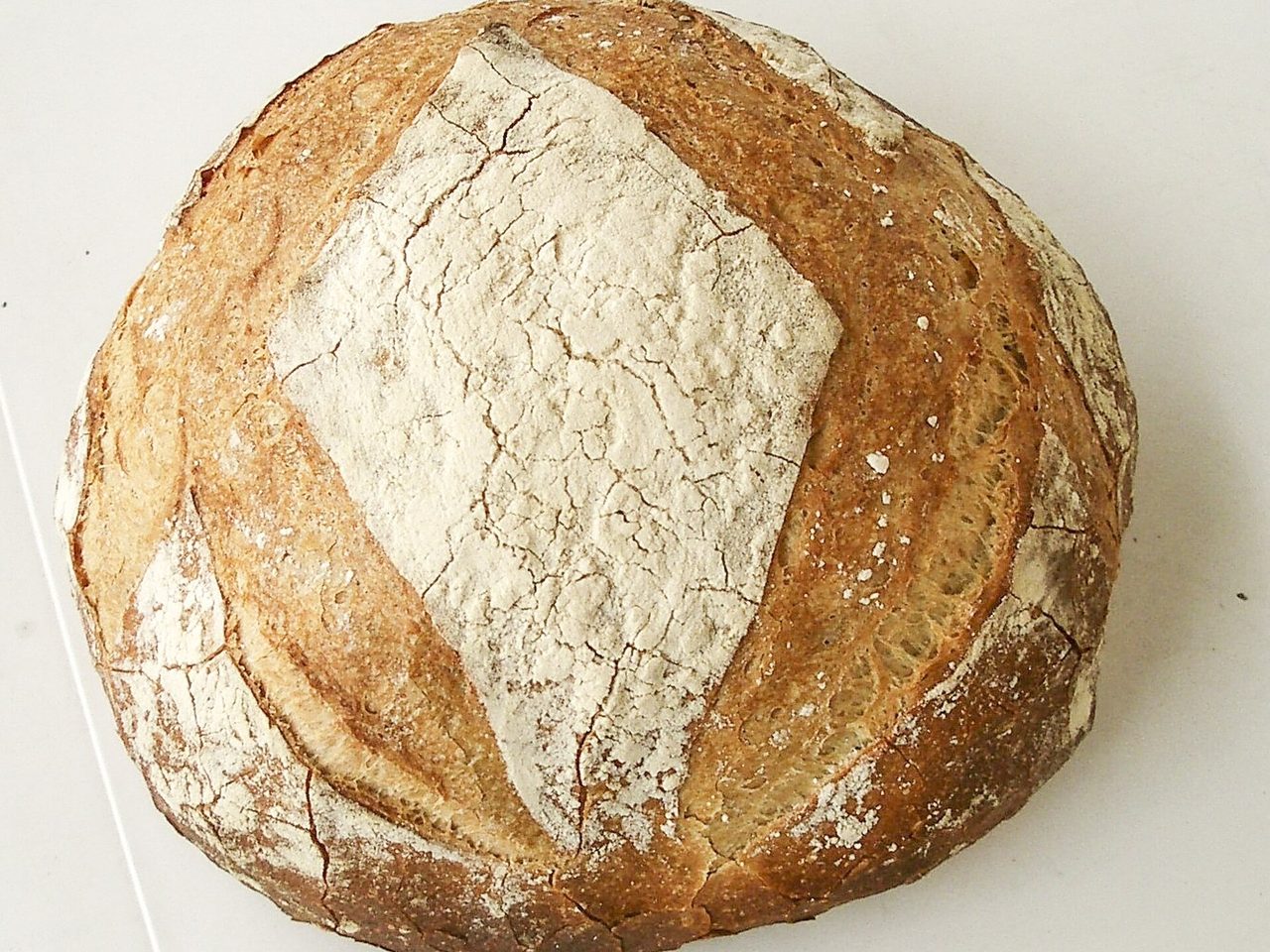
A golden crust that crackles under your fingers, a soft, airy crumb, the smell of warm bread through the whole house: making your own bread is simpler than you think. The secret to a good crust is steam at the start of baking. A cast-iron casserole creates it naturally, and many recent ovens can inject it.
- 1 large loaf about 850 g, no kneading
- Dough prepared the day before: 5 minutes' work
- Cast-iron cocotte: 250 °C, then 230 °C without the lid
- Or assisted steam on the preheated oven base
Appliance and settingConventional oven 250 °C with cocotte, or steam-assisted
Ingredients
A no-knead loaf, a baker's crust
This recipe relies on a long rise: the dough, mixed in five minutes the night before, works on its own overnight. Time takes the place of kneading, and along the way builds plenty of flavour. The rest happens in the oven: a strong bottom heat (the bottom of the oven) to make the loaf rise, and steam at the start of baking for a thin, crisp crust.
The steps
- Mixing (the evening before). In a large mixing bowl, dissolve the yeast in the lukewarm water. Add the flour then the salt, and mix with a spoon or your hand until no dry flour remains. The dough is sticky, which is normal. Cover with cling film or a damp tea towel.
- Folds. Within the hour, do two or three rounds of folds, 20 minutes apart: with wet hands, stretch one edge of the dough upwards and fold it over the centre, going all the way round the bowl.
- The rise. Leave to rise for 12 to 18 hours at room temperature (18 to 22 °C). The dough should have at least doubled in volume and be covered in bubbles. If your oven has a 'proving' function (around 35 to 40 °C), it will speed up the rise to a few hours.
- Shaping. Tip the dough onto a floured worktop. Fold the edges into the centre to form a ball, turn it over and rotate it in your hands to tauten the surface. Place it on a sheet of baking paper, seam side down, and leave to rest for 45 minutes to 1 hour under a tea towel.
- The preheat. 45 minutes before baking, place the cast-iron casserole dish with its lid (or an upturned baking tray, for the steam method) on shelf 1 of the oven and preheat to 250 °C in conventional mode.
- The score. Just before loading, lightly flour the loaf and make a single confident cut, 1 cm deep.
- Baking in the casserole dish. Take out the scorching-hot casserole dish (thick gloves), place the loaf in it with its paper, cover and bake for 25 minutes. Remove the lid, lower the temperature to 230 °C and continue for 15 to 20 minutes, until the crust is well browned.
- Cooling. Let the loaf cool for at least 1 hour on a wire rack before slicing: the crumb finishes cooking as it cools.
Appliance settings
| Method | Fashion | Setting | Duration |
|---|---|---|---|
| Speed proving (optional) | Dough proving function | 35 to 40 °C, door closed | 3 to 4 h instead of overnight |
| Casserole dish, covered phase | Conventional (top and bottom heat) | 250 °C, casserole dish on shelf 1, preheated for 45 min | 25 min |
| Casserole dish, uncovered phase | Natural convection | 230 °C | 15 to 20 min |
| Assisted steam, start | Bread mode or fan oven with steam (depending on the oven) | 230 to 240 °C, tray preheated on shelf 1 or 2 | 10 to 15 min |
| Assisted steam, end | Conventional heat or bottom heat + fan, without steam | 220 °C | 20 to 25 min |
| Without casserole dish or steam | Conventional heat + a tray of hot water on the base | 240 °C, then 220 °C after 15 min (remove the tray) | 35 to 40 min |
Variations
- Wholemeal bread : replace 150 g of white flour with wholemeal flour, and add 20 g of water.
- With seeds : 80 g of linseeds, sunflower seeds and pumpkin seeds mixed into the dough, plus a few on top.
- With walnuts and raisins : 80 g of chopped walnuts and 80 g of raisins, ideal with cheese.
- Sourdough : 100 g of active sourdough starter instead of yeast, with a slightly longer proving time and a more tangy flavour.
Storage
Bread keeps 2 to 3 days in a cloth bag or bread bin, placed cut side down. Avoid the fridge, which makes it go stale. It freezes very well, whole or sliced, for about 2 months. To restore its crispness, heat it for 8 to 10 minutes in the oven at 200 °C.
The cast-iron casserole dish is the most reliable method, whatever your oven: it reproduces the baker's oven on a small scale. But if you bake bread often, an oven with assisted steam and a temperature that rises high makes a real difference: no more handling a casserole dish at 250 °C, and you can bake baguettes or two loaves at once. With this loaf, a butternut squash soup makes a perfect dinner.
Which appliance?
For bread, three assets: a high temperature (250 °C and above), a strong base heat and, ideally, some steam.
An oven with assisted steam
Bosch HQG572BB3F (Hotair Steam, 0.25 litre tank), Beko BBIS17302BMPC (VapeurEssentiel, for crispness and softness), Hisense BSA66334PBDG (assisted steam with 130 ml tank, probe).
From €499.99 to €929.99
An oven that heats strongly from below
Candy CA6N3B3YTX (up to 300 °C, brushed base, bakery mode), Siemens HB774G2B1 (up to 300 °C, bottom heat, cooking probe), Smeg SOP6602TNR (Dolce Stil Novo, up to 280 °C, thermo-fan base).
From €499.99 to €1,299.99
Public prices noted on 15 October 2026: the product page is definitive, and Nimesclub members often get a reduced price.
Ovens for bread in store
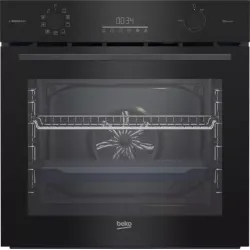 Built-in oven BEKO BBIS17302BMPC€499.00
 Built-in oven BOSCH HQG572BB3F€929.00
 Built-in Oven HISENSE BSA66334PBDG€849.00
 Built-in oven CANDY CA6N3B3YTX€499.00
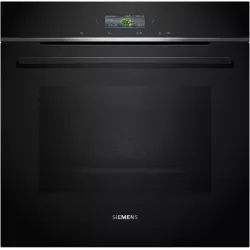 SIEMENS HB774G2B1 Built-in Oven€1,229.00
 Built-in oven SMEG SOP6602TNR€1,299.00
Conventional, base, steam, fan: find out what each mode is for in our guide to oven functions. And for dessert, the oven is already hot for a tarte Tatin.
Frequently asked questions
Why do you need steam to bake bread?
At the start of baking, steam keeps the surface of the dough soft: the bread can rise to its maximum before the crust forms. It also gives a thinner, shinier and crispier crust. Without steam, the crust sets too early, the bread rises less and stays dull.
How do you know if the bread is done?
It should be well browned and sound hollow when you tap the bottom. With a probe or thermometer, the crumb should reach 96 to 98 °C at the centre.
Can you put a cast-iron casserole dish in a pyrolytic oven?
Yes for baking, as long as the casserole dish and its lid knob can withstand 250 °C (check with the manufacturer). However, always remove utensils and accessories not designed for it before starting a pyrolysis cycle.
The right oven makes all the difference
Steam ovens, pyrolytic ovens, induction hobs: come and see them at our Temploux store, or ask our expert salesperson for advice.
Read next
 RecipePumpkin or butternut squash soup: velvety, in 40 minutes on inductionOrange, sweet, velvety: squash soup is the queen of October evenings. On an induction hob, it's ready in forty minutes, and a tip in the oven gives it an incomparable roasted flavour. Here's the basic recipe, the right settings and our variations.45 min · Very easy · 6 servings
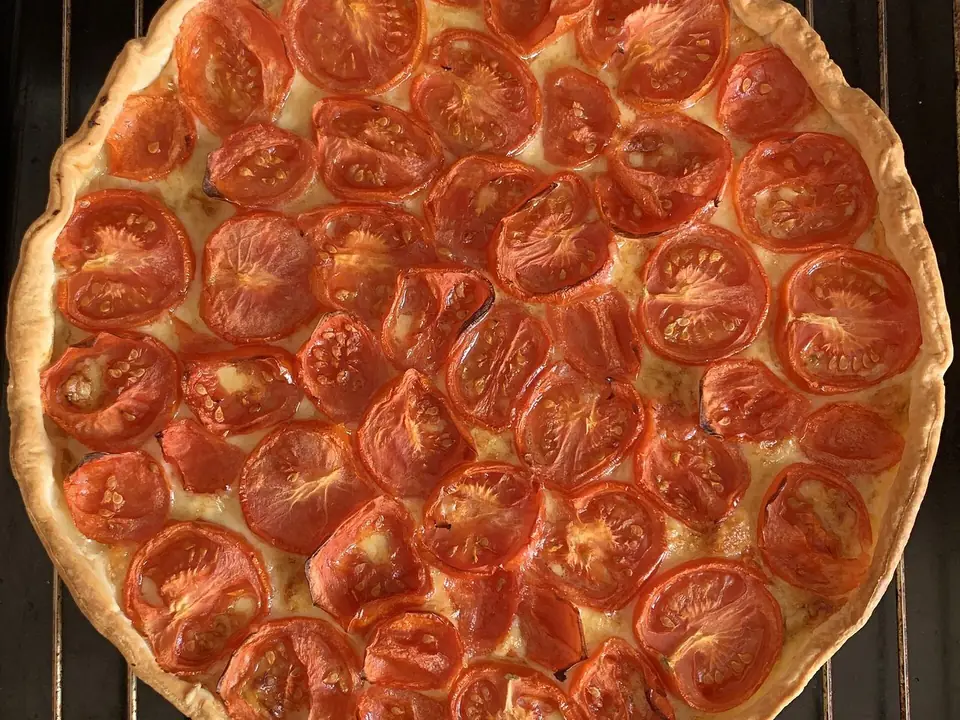 Cooking tipOven modes explained: fan, bottom heat, grill, steam, air fry… when to use whatA fan, two lines, a drop, a little grid: the symbols on your oven aren't there just for decoration. Each mode heats differently and suits particular dishes. Here is the complete guide, mode by mode, with a large chart so you can finally know what to choose.7 min read
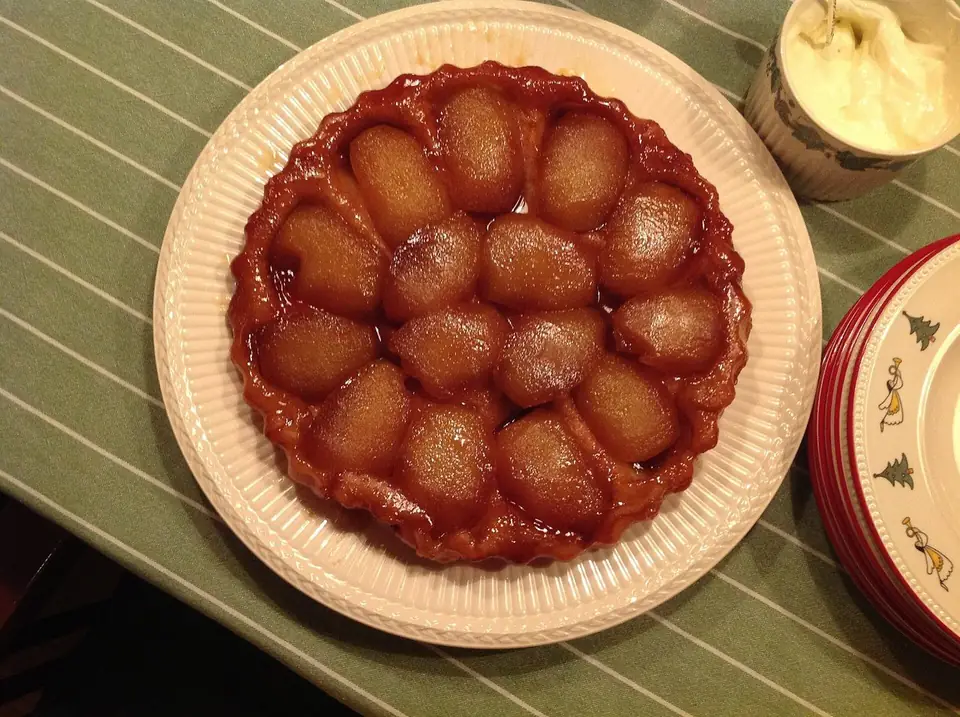 RecipeBelgian apple Tarte Tatin: Jonagold and Boskoop apples, caramel on the tray, baked in the ovenMelting, caramelised apples, a crisp pastry, a spectacular unmoulding: the Tarte Tatin is the quintessential autumn dessert. With Belgian apples, Jonagold for sweetness and Boskoop for structure, a caramel made on the tray and a well-judged oven bake, it's within your reach.1 h 20 · Medium · 8 pers.