
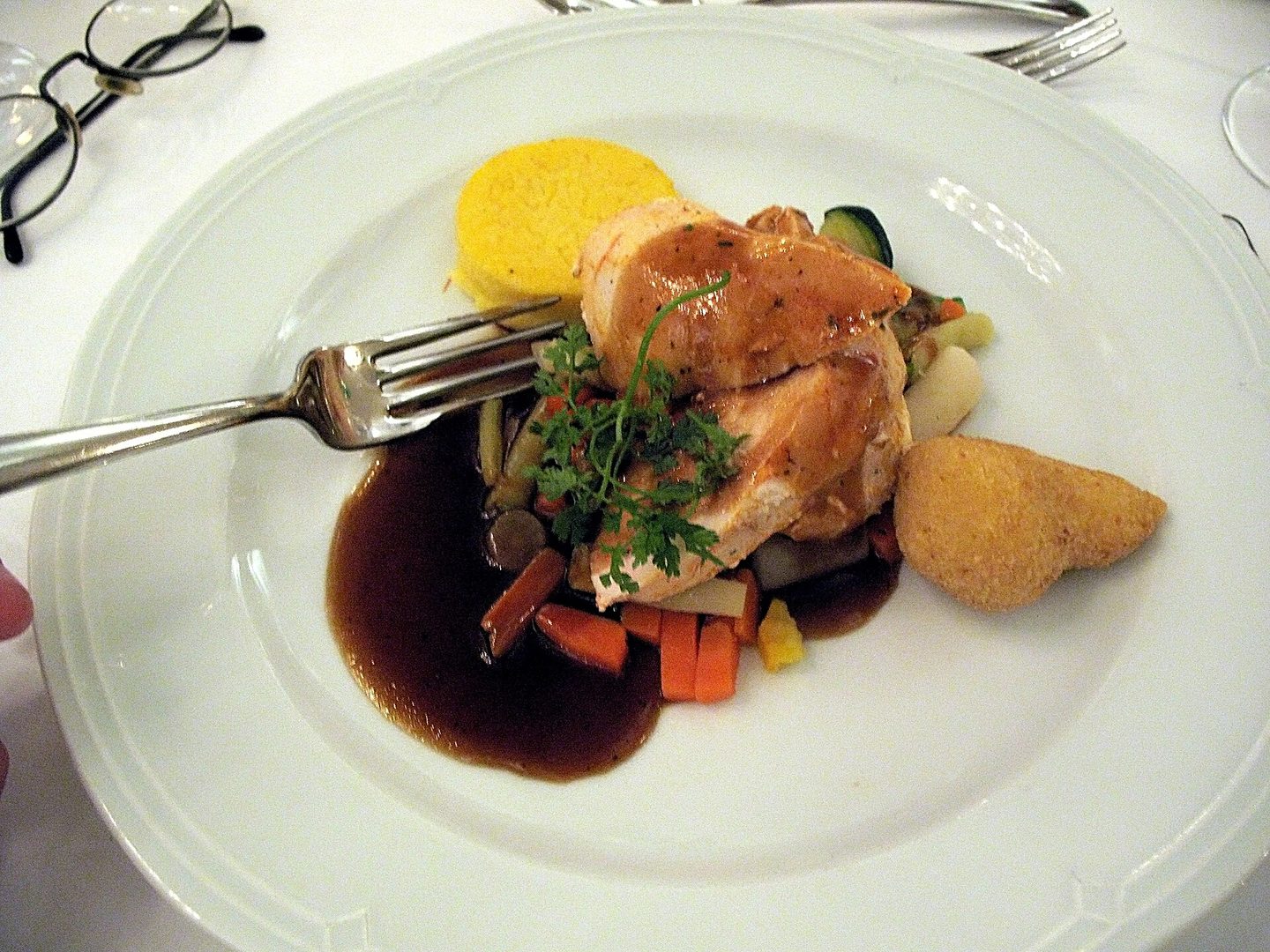
Oven-roasted capon: tender meat and crisp skin
Capon is the festive bird par excellence: fine flesh, marbled with fat, more tender than chicken and easier than turkey. It asks for only one thing: patience. A slow cook, a herb butter slipped under the skin, and a final blast under the grill. Here is how to do it.
- 6 to 8 people for a 3 kg chapon
- Herb butter under the skin
- 150 °C in fan oven, about 2 h 30
- Remove from the oven at 75 °C in the thigh
Appliance and settingFan oven 150 °C, then fan grill
Ingredients
The chapon, the poultry of special occasions
The chapon is cooked like a roast chicken, but more slowly. Its natural fat melts during cooking and keeps the flesh moist: at a gentle temperature, it becomes tender without drying out. The only real difficulty is knowing when it's cooked, and the meat probe takes care of that.
The steps
- Take the chapon out an hour ahead. Pat it dry with kitchen paper, inside and out: dry skin browns better.
- Prepare the herb butter. Finely chop the parsley, the thyme leaves and the garlic. Mash them with a fork into the softened butter, the lemon zest, a pinch of sea salt and pepper.
- Slide the butter under the skin. Gently work your fingers between the skin and the flesh, starting from the neck, to form a pocket over the breast and then the thighs. Spread two thirds of the butter in it. Massage the outside with the rest.
- Stuff and tie. Put the lemon and onion, cut into quarters, inside. Tie the thighs together so it cooks evenly.
- Set up the dish. Preheat the oven to 150 °C fan. Place the chapon in a large dish, with the potatoes and shallots around it. Pour the stock into the bottom.
- Insert the probe and put it in the oven. Insert the probe into the thickest part of the thigh, without touching the bone, set to 75 °C. Dish on shelf 1 or 2, depending on the size of the chapon. Baste every 30 minutes and turn the potatoes once.
- Crisp it up. When the probe reads 70 °C, switch to fan grill at 210 °C for 10 minutes, until 75 °C.
- Rest and serve. Let the chapon rest for 15 minutes under a sheet of foil. Keep the potatoes warm in the switched-off oven. Skim the fat from the juices and serve them in a gravy boat.
Appliance settings
| Step | Appliance and mode | Setting | Duration |
|---|---|---|---|
| Slow cooking | Oven, fan-assisted | 150 °C, shelf 1 or 2 | About 50 min per kilo |
| Slow cooking (variant) | Oven, conventional heat | 165 °C, shelf 1 or 2 | About 50 min per kilo |
| Check | Cooking probe | 75 °C in the thigh | Until the alarm |
| Crispy skin | Fan grill | 210 °C | 10 min |
| Keep warm | Oven off or keep warm | 60 to 70 °C | Up to 30 min |
Many recent ovens have a 'keep warm' function: handy for the potatoes to wait without drying out while you carve.
Variations
- With truffle butter : replace the herbs with 30 g of truffle butter. Guaranteed results, no trouble at all.
- Stuffed : the chestnut stuffing from our Christmas turkey also works, halving the quantities. Add 30 minutes to the cooking time.
- With winter vegetables : parsnips, carrots and chicory halved in place of the potatoes.
- Guinea fowl : same method for a 1.5 kg guinea fowl, about 1 h 15 at 160 °C.
Storage and advance preparation
The day before, prepare the herb butter and peel the shallots. On Christmas Eve morning, you can even slip the butter under the skin and keep the capon in the fridge, covered: take it out an hour before roasting. Leftovers keep 3 days in the fridge. They're delicious cold, in a salad with chicory and walnuts.
Don't throw away the carcass! Put it in a large saucepan with a carrot, an onion and water, and let it simmer for two hours on setting 3 of the hob. You'll get a perfect stock for a chestnut velouté over the following days.
Which appliance?
For a festive bird, three advantages: a even fan heat, a fan grill and, ideally, a meat probe built-in one.
An oven with a cooking probe
Siemens HB774G2B1 (iQ700, cooking probe, CookControl Pro, Home Connect), Samsung NV7B45502AB (probe included, Dual Cook Flex, steam), Hisense BSA66334PX and BSA66334PBDG (probe, assisted steam and AirFry).
From 599,99 € to 1 229,99 €
A pyrolytic fan oven
A capon releases a lot of fat: the pyrolytic cycle then cleans the oven for you. Examples: Bosch HBA274BB3F (Series 4, Hotair 3D), Whirlpool WOI68PT1SXAF (6th Sense and AirFry).
809,99 € and 1 049,99 €
Public prices recorded on 15 October 2026: the product page is the reference, and Nimesclub members often get a reduced price. Check on the product page whether the probe is supplied with the oven.
Ovens with probe and fan heat in store
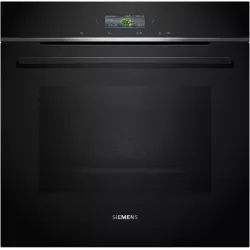 SIEMENS HB774G2B1 Built-in Oven€1,229.00
 Built-in Oven SAMSUNG NV7B45502AB€1,079.00
 Built-in oven HISENSE BSA66334PX€599.00
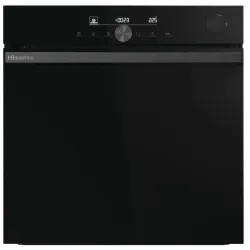 Built-in Oven HISENSE BSA66334PBDG€849.00
 Built-in Oven BOSCH HBA274BB3F€809.00
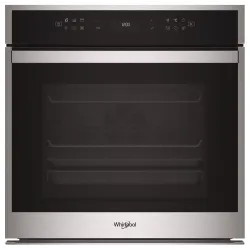 Built-in oven WHIRLPOOL WOI68PT1SXAF€1,049.00
To go with the capon, nothing beats potato croquettes at home. And to plan the whole meal with just one oven, read our oven-baked Christmas menu.
Frequently asked questions
What's the difference between a capon and a chicken?
A capon is a young castrated cockerel raised for longer. Its meat is more tender and fattier, which keeps it moist during cooking. It typically weighs between 2.5 and 4 kg, enough to serve 6 to 10 people.
How long should you cook a capon?
At 150 °C fan oven, allow about 50 minutes per kilo, so 2 h 30 for 3 kg. The capon is cooked when the thigh reaches 75 °C at the core and the juices running out when pierced are clear.
Should you baste the capon?
Yes, roughly every 30 minutes. Its fat melts during cooking and keeps the meat moist; basting also browns the skin evenly.
The right oven makes all the difference
Steam ovens, pyrolytic ovens, induction hobs: come and see them at our Temploux store, or ask our expert salesperson for advice.
Read next
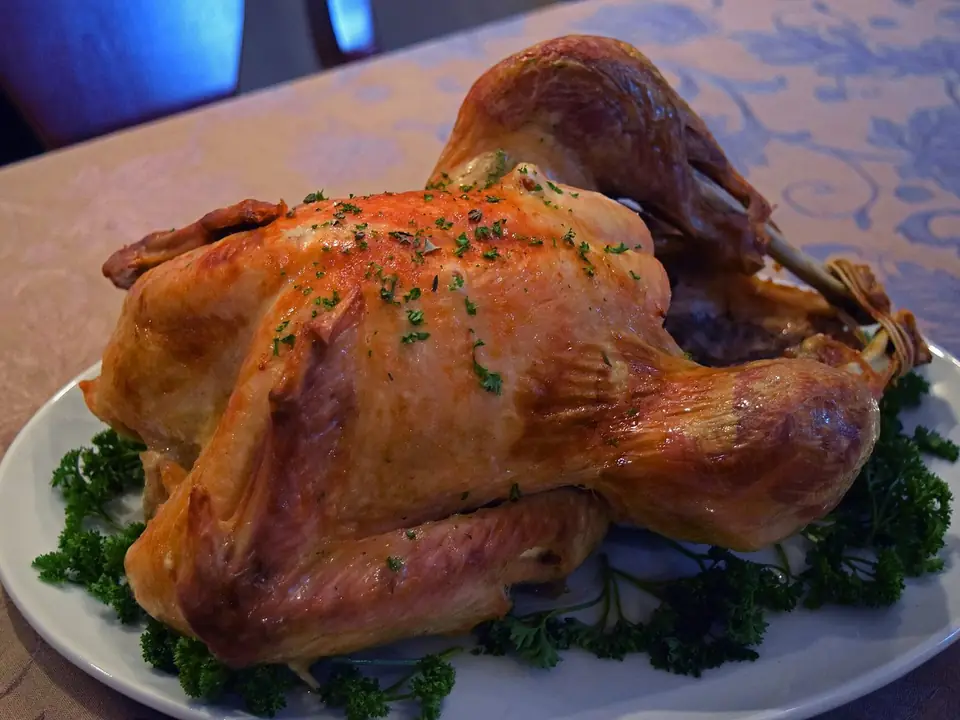 RecipeStuffed Christmas turkey with chestnuts: the Christmas recipe, juicy thanks to the probeThe stuffed turkey is the queen of the Christmas Eve feast. It's daunting because people fear it will be dry or undercooked in the middle. With a simple chestnut stuffing, gentle cooking and a probe inserted into the thigh, it comes out of the oven golden and juicy. Here is the method, step by step.4 h · Medium · 10 pers.
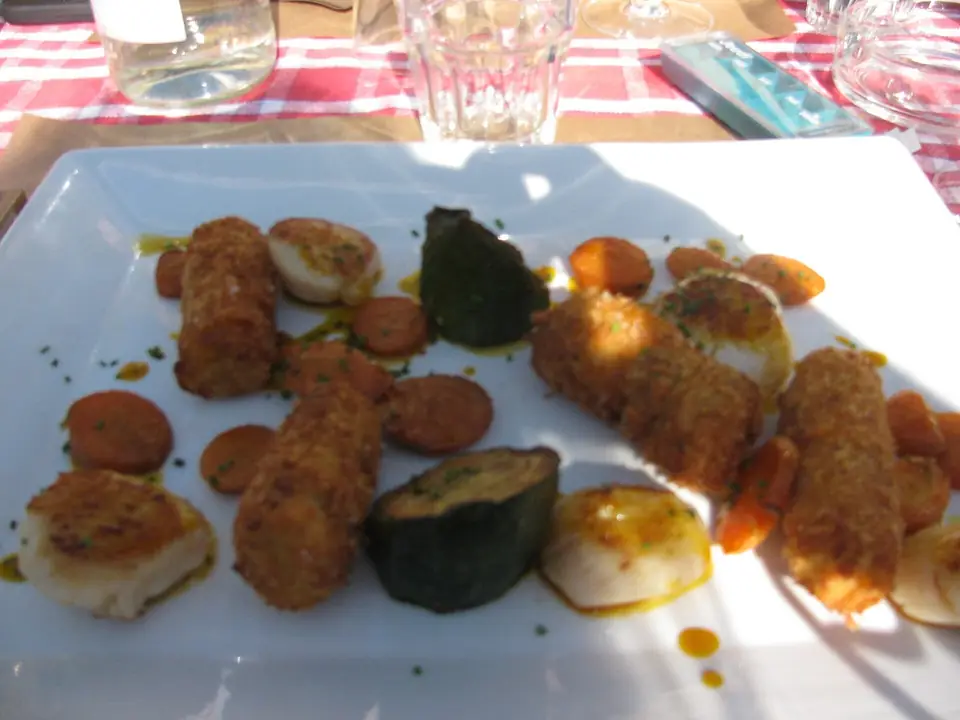 RecipeHomemade potato croquettes: the accompaniment to game, made aheadServed with a civet or a venison fillet, the potato croquette is the quintessential Belgian side dish. Homemade, it's soft at the heart and golden outside, with a true potato flavour. The secret: a very dry mash, so cook the potatoes by steaming. And good news, they freeze: you can prepare them well before the festivities.1 h 35 · Medium · 6 pers.
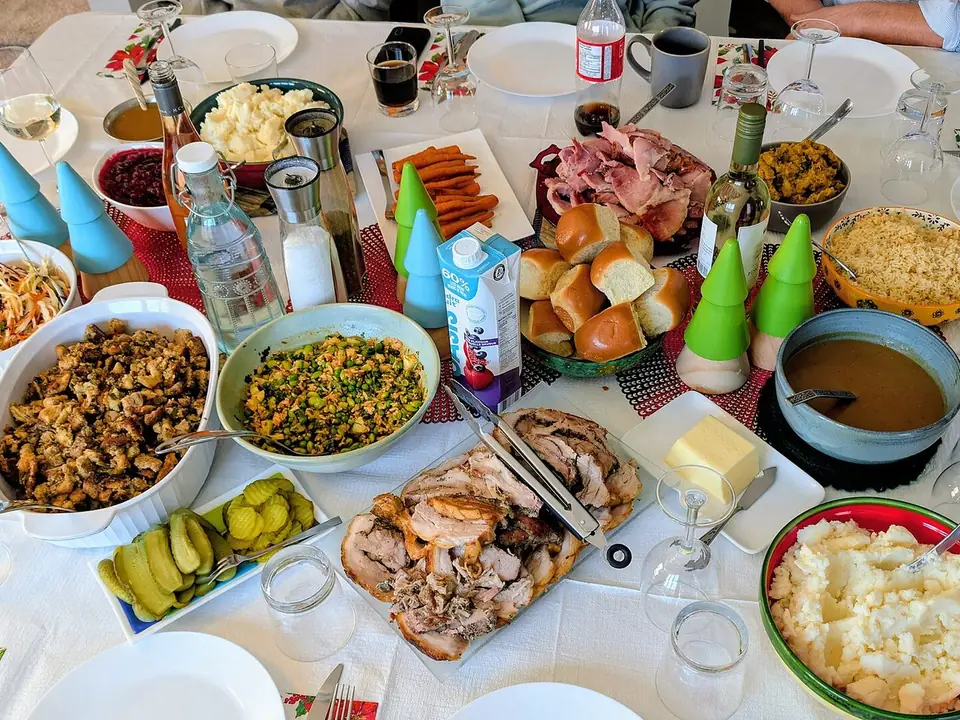 Cooking tipA Christmas menu with just one oven: an hour-by-hour plan to serve everything hotA turkey taking up the whole oven, a gratin waiting its turn, toasts to warm and a Yule log to keep cool: on Christmas Eve, the oven becomes the weak link. With a good plan, though, one oven is enough to serve everything hot, without spending the evening in the kitchen. Here is the method, from three days before right through to dessert.7 min read