
Maintaining your washing machine and dishwasher: the habits that make them last
A well-maintained washing machine or dishwasher cleans better, uses less energy, smells fresher and lasts longer. Good news: a few minutes a month is all it takes. Here are the habits, appliance by appliance, with a simple schedule to keep handy.
- Filters : washing machine pump every 2-3 months, dishwasher base every 1-2 weeks
- A hot empty cycle per month against odours and biofilm
- Regeneration salt set to your water hardness
- Door and door seal ajar between cycles
Why maintenance matters so much
Our habits have changed: we wash more often at 30 or 40 °C and use Eco programmes that heat less. That is good for the bill, but it makes it easier for the biofilm (a layer of grease, detergent residue and bacteria) and limescale to build up. The result: smells, less fresh laundry, dull dishes and, eventually, pump or heating element failures.
Most of the 'breakdowns' reported to us in store are actually clogged filters or forgotten maintenance. The best habit: a simple calendar, and the steps below.
The washing machine, part by part
The drain pump filter
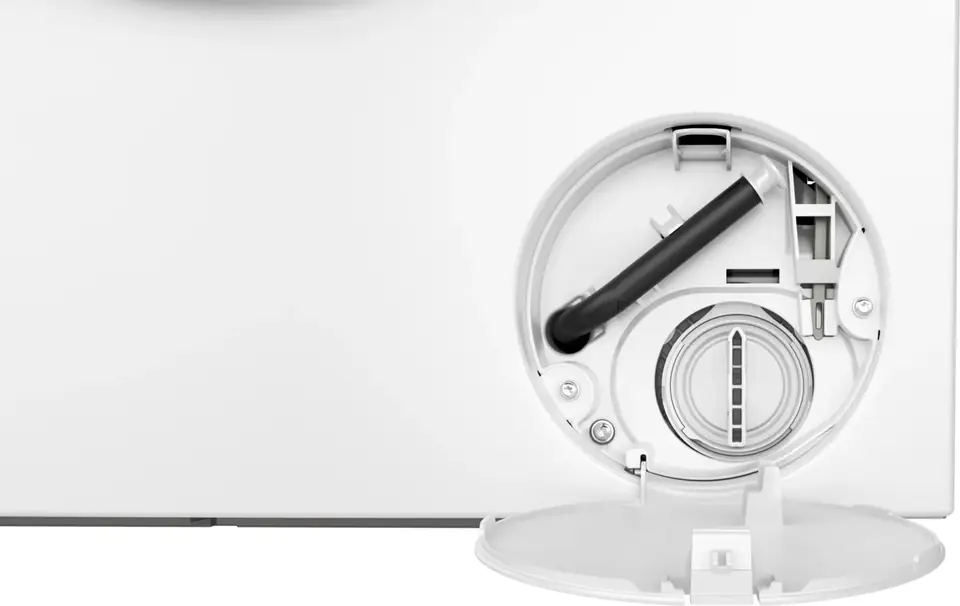
It hides behind a small access panel at the bottom front of the machine. It catches coins, buttons, hair clips and lint. Clean it every 2 to 3 months, and as soon as the water drains slowly.
- Unplug the machine and let the water cool if a hot wash has just finished.
- Place a cloth and a shallow dish: there is always some water left.
- Open the panel. If your model has a small emergency drain hose, drain the water through it first.
- Slowly unscrew the filter, remove the objects and lint, and rinse it under the tap.
- Screw it back in fully (a badly refitted filter leaks) and close the panel.
The door seal
Wipe it after heavy washes, pulling back the fold of the bellows: you often find socks, coins and black mould marks in it. A cloth with a little soapy water is enough. Then leave the door ajar so everything can dry.
The detergent drawer
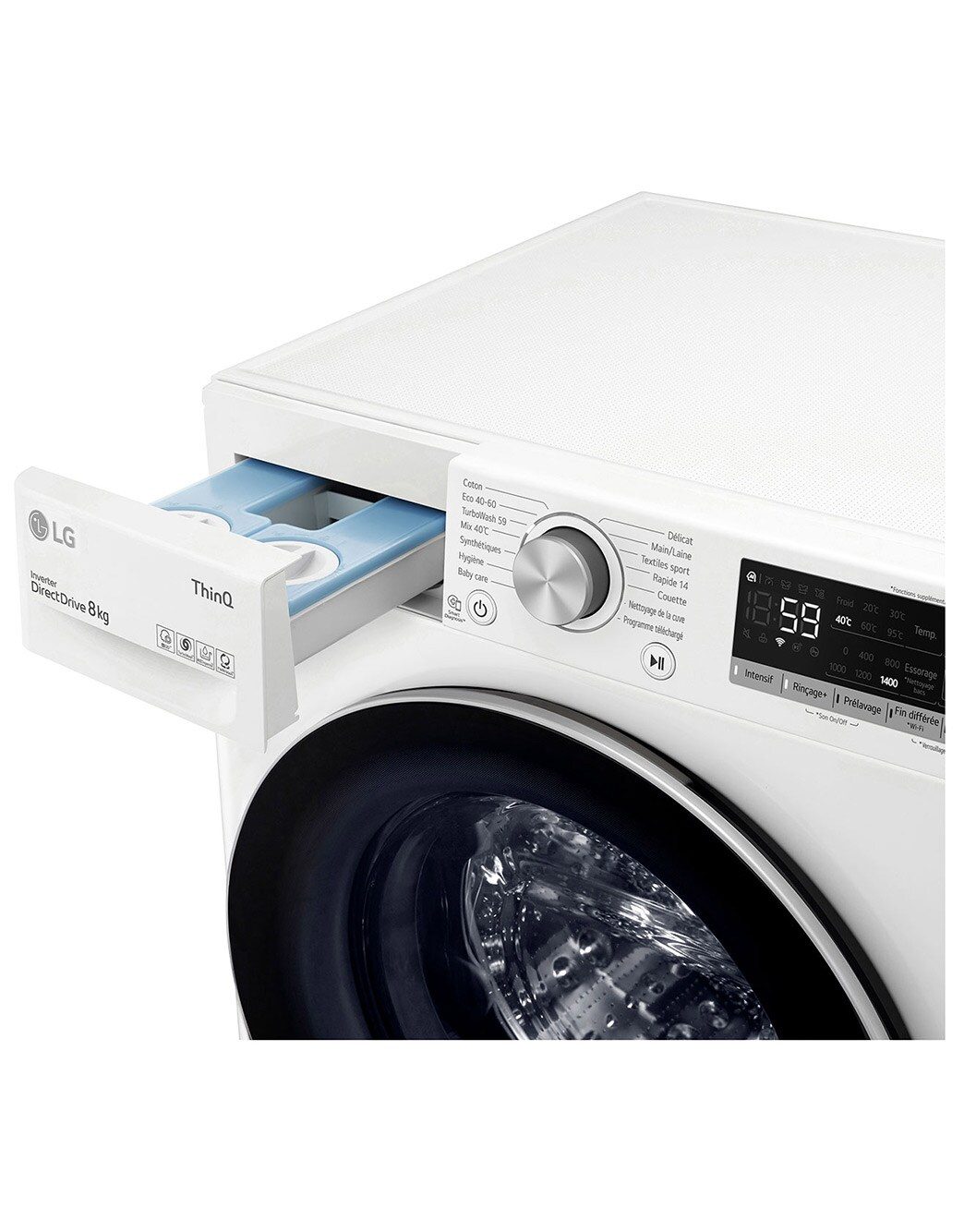
It gets clogged with detergent and softener, and can go mouldy. Remove it (often by pressing a small catch), rinse it in hot water with an old toothbrush, and clean its housing too. Leave it ajar between washes. If your machine has automatic dosing, clean the reservoir according to the manual, especially if you change detergent.
The monthly maintenance cycle
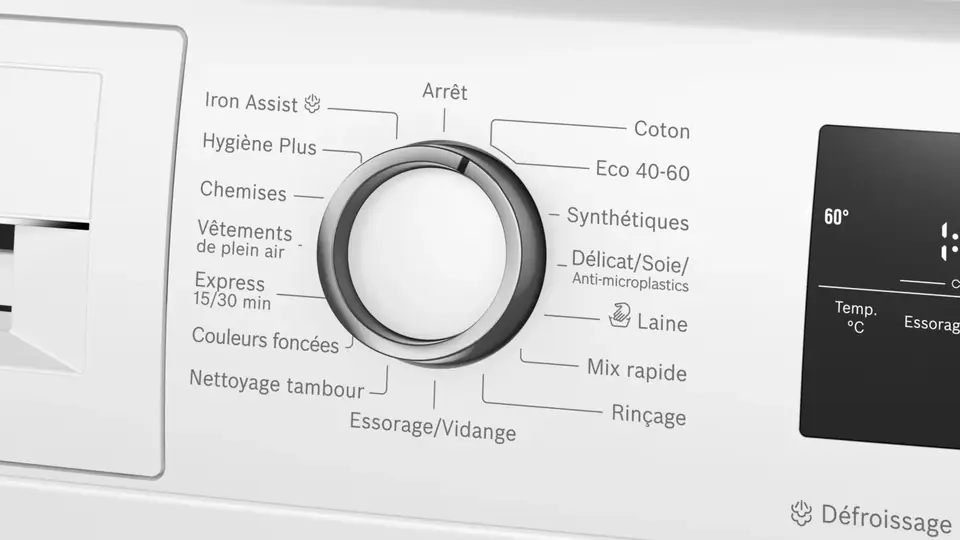
Once a month, run empty the drum cleaning programme (Drum Clean on Samsung, 'Drum clean' on the selector of many Bosch models, depending on the model) or a cotton cycle at 60 or 90 °C. Some washing machines remind you themselves, Samsung for example every 40 cycles. It is the best weapon against smells.
Limescale and detergent dosing
Parts of Wallonia have hard water: ask your supplier about your water hardness. In hard water, adjust the detergent dose according to the packaging. But don't use too much: excess detergent causes foam, rinses poorly, clogs the machine and can even cause leaks from the drawer.
The tumble dryer, in brief
Empty the lint filter after every cycle, rinse the base filter or the condenser once a month (except self-cleaning condensers), empty the water tank and leave space for air around the appliance. All the details are in our tumble dryer guide.
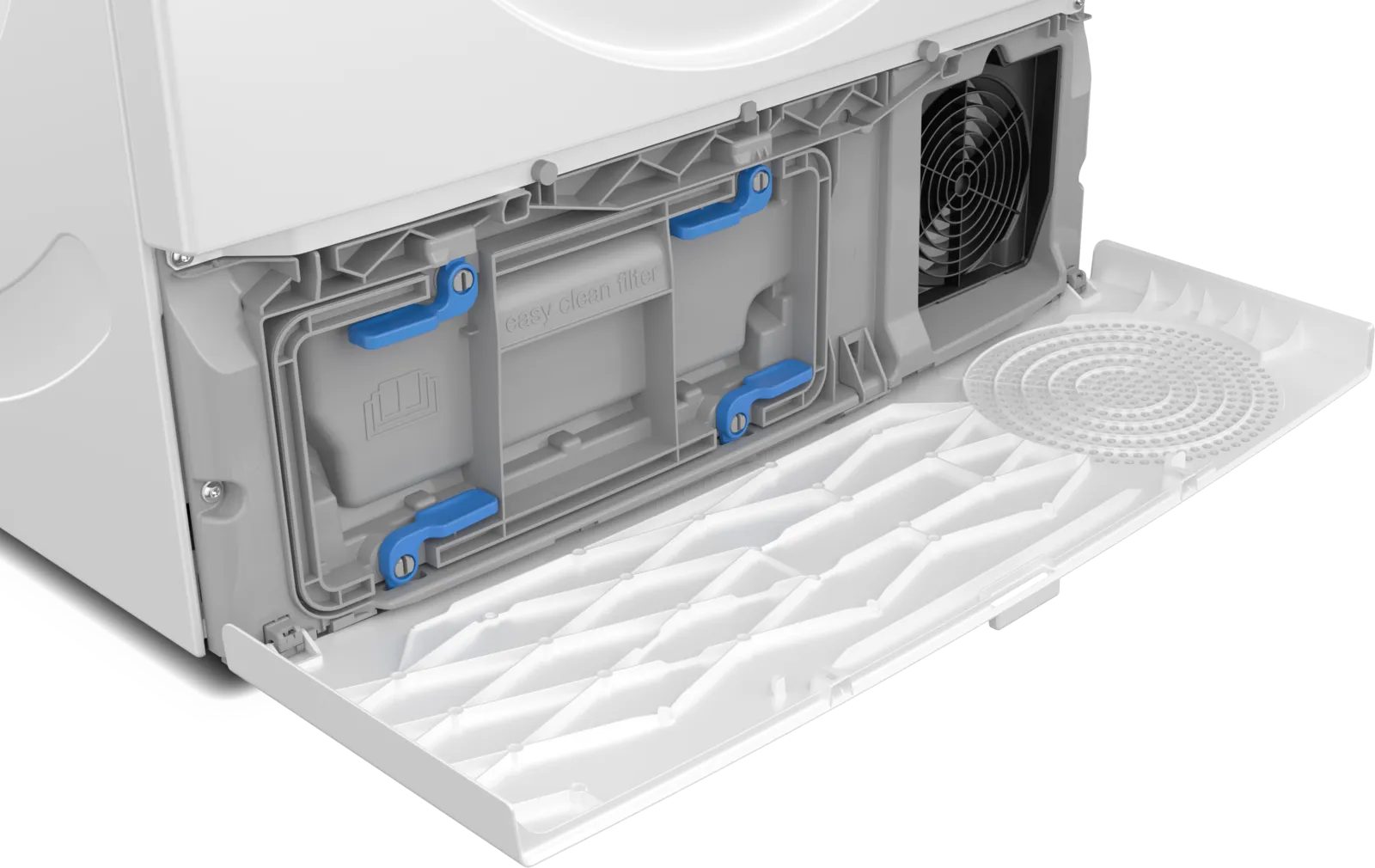
The dishwasher, part by part
The base filter
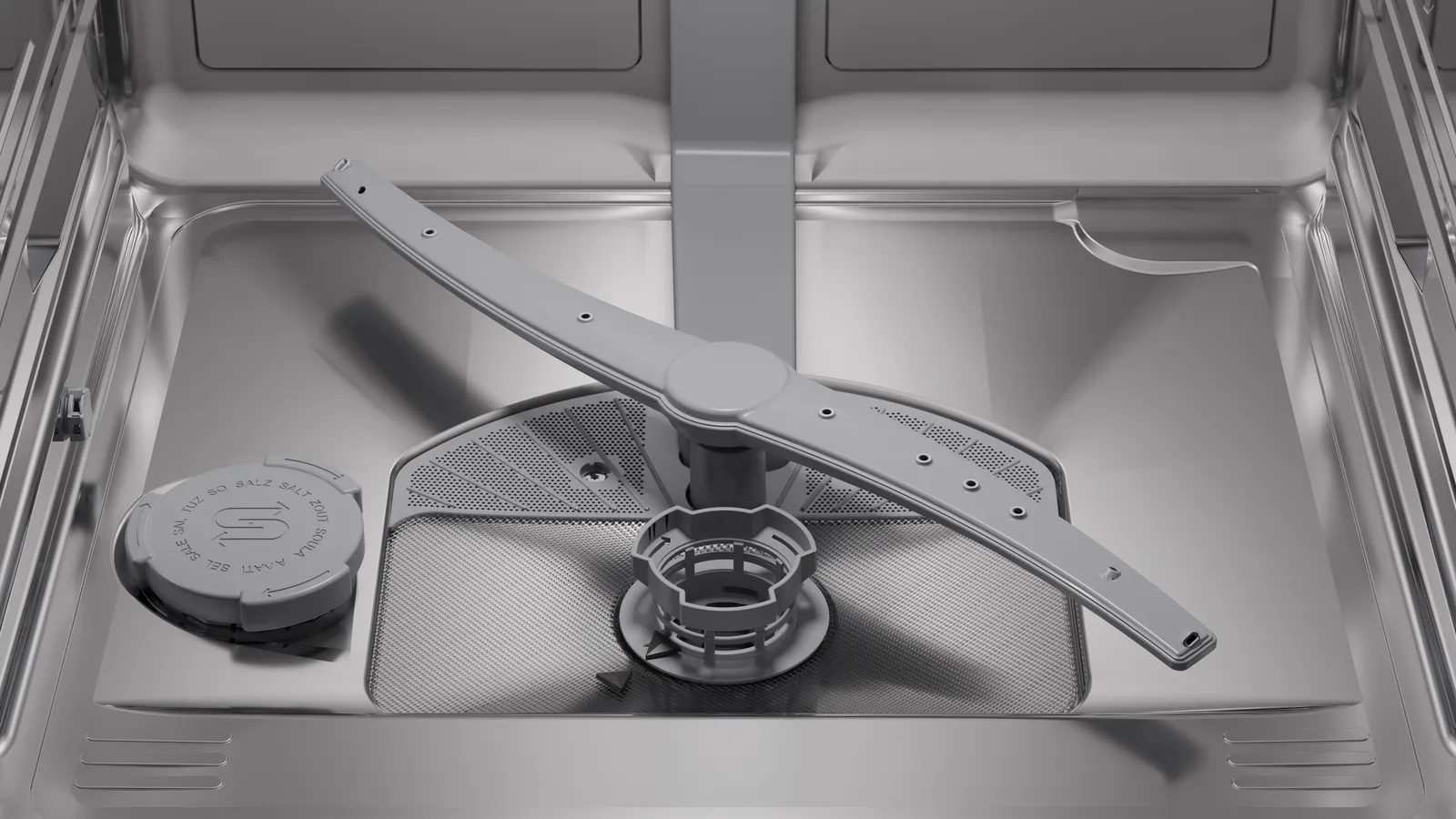
This is the most important step. The filter traps food residue: when it's clogged, the water stagnates and the dishes come out dirty. Rinse it every 1 to 2 weeks under the tap, with a soft brush if needed, then put it back in place properly and lock it.
The spray arms
If washing starts to get worse, remove the arms (they unclip or unscrew depending on the model) and clear their small holes with a toothpick. Also check that they turn freely: a dish that's too tall can block them.
The regeneration salt
The built-in water softener prevents limescale on the dishes and in the machine. It regenerates with dishwasher-specific salt (not cooking salt). Two settings to make once and for all:
- Set the water hardness in the appliance menu, using the value from your water supplier.
- Fill the salt container (at the bottom of the tub) as soon as the indicator lights up. On first use, add the amount of water specified in the manual.
The rinse aid
It helps water slide off the dishes: fewer drops, fewer streaks, better drying. Fill the dispenser (on the door, next to the detergent compartment) when the indicator lights up. Too much rinse aid leaves a greasy film; too little leaves streaks and wet dishes.
The maintenance cycle and the door seal
Every 1 to 2 months, run an empty cycle at high temperature, with a dishwasher cleaner if your manual recommends it (some Siemens models have a Machine Care programme). Wipe the door seal and the bottom of the door, where residue builds up out of reach of the jets.
Stick a small reminder inside the door of your cupboard for cleaning products: "dishwasher filter on Sunday, hot cycle on the washing machine on the first of the month". It may seem silly, but it's the best anti-breakdown guarantee I know, and it's free.
Bad smells: where they come from
| Device | Most common cause | Solution |
|---|---|---|
| Washing machine | Biofilm in the seal, the drawer and the tub; door always closed | Hot empty maintenance cycle, seal and drawer cleaned, door left ajar |
| Washing machine | Stagnant water in the pump filter | Empty and rinse the filter |
| Washing machine | Damp laundry forgotten in the drum | Rewash; some models have an anti-odour mode after a cycle (FreshCare+ on Whirlpool) |
| Dishwasher | Clogged filter, food residue | Rinse the filter, hot maintenance cycle |
| Dishwasher | Dirty dishes left waiting for several days | Pre-wash programme or cold rinse, door left ajar |
| Both | Sewer smell: trap or drain connection | Check the trap and the height of the drain hose (as per the manual) |
The calendar to keep handy
| Frequency | Washing machine | Dishwasher |
|---|---|---|
| After every cycle | Door and drawer left ajar | Door left ajar once drying is finished |
| Every week | Wipe the door seal with a cloth | Rinse the bottom filter (every 1 to 2 weeks) |
| Every month | Hot empty maintenance cycle; rinse the drawer | Check salt and rinse aid; door seal |
| Every 2 to 3 months | Drain pump filter | Spray arms; hot maintenance cycle (every 1 to 2 months) |
| Once a year | Check hoses (inlet and drain), levelling | Check hoses and the hardness setting |
If a problem still appears, our page common faults helps you check the essentials before calling the after-sales service. And to get more out of your programmes, read the washing programmes explained.
Choosing an appliance that is easy to maintain
When buying, a few details make life easier for years: an accessible pump filter, a drum cleaning programme with a reminder, a detergent drawer that slides out easily, a self-cleaning condenser on the tumble dryer and, on the dishwasher, drying by opening the door, which limits residual moisture in the tub. See our guides washing machine and dishwasher.
Appliances that are easy to maintain
 Washing machine BOSCH WUU28T69FR€879.00
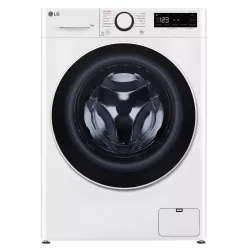 Washing machine LG F94R50WHS€611.00
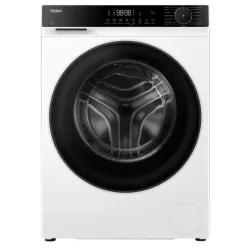 Washing Machine HAIER HW100BP14357EU1€549.00
 Bosch SMS6ECC12E Dishwasher€1,239.00
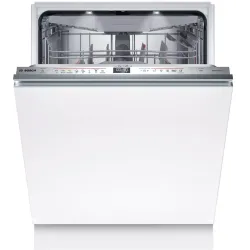 Fully integrated dishwasher BOSCH SMV6ZCX03E€1,239.00
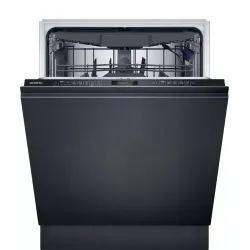 Built-in dishwasher SIEMENS SN75EX23CE€1,279.00
 Dishwasher HISENSE HS672B90B€433.00
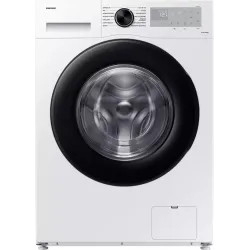 Washing machine SAMSUNG WW90CGC04DAH€507.00
The above tips are general advice. The manual for your appliance always takes precedence, particularly for approved cleaning products and access to the filters. Nimesclub members often get a reduced price on our appliances: the product page takes precedence.
Frequently asked questions
Why does my washing machine smell bad?
Most often, because you always wash at low temperature and close the door right after the cycle. A biofilm forms in the seal, the drawer and the drum. Run a hot empty maintenance cycle, clean the seal and the drawer, and leave the door ajar.
Do tablets that do everything replace regeneration salt?
Not always. They contain a softener, but in hard water it often isn't enough. If you see white streaks, set the hardness in the appliance menu and fill the salt container. Follow the manual: some models adjust for use with tablets.
Do you need a special product to descale the washing machine?
A maintenance cycle at 60 or 90 °C handles most cases. In very limescale-heavy water, a washing machine descaler from time to time helps. Avoid aggressive homemade mixtures for the seals and follow the manufacturer's manual.
How do I find out my water hardness?
Your water supplier states it, often on its website or on your bill (in Wallonia, SWDE or your municipality). Note the value and enter it in the dishwasher menu to set the softener.
Come and see the appliances in person
At our Temploux shop, we open the doors and compare drums and finishes. Or ask our expert sales adviser online, right now.
Read next
 PracticalWashing machine or dishwasher broken down: what should you check before calling customer service?A machine that shows an error code or won't drain is often less serious than it seems. Many 'breakdowns' can be fixed in ten minutes with a filter, a hose or a setting. Here's what you can check yourself, safely, and how to decide between repair and replacement.6 min read
 TechnologyWashing programmes explained: Eco 40-60, cotton, quick, steamThree hours to wash laundry at '40 °C' that never actually reaches 40 °C? It's the number one question in store. Yet there's real logic behind every programme. Once you understand it, you wash better, wear your clothes out less and pay less for electricity.6 min read
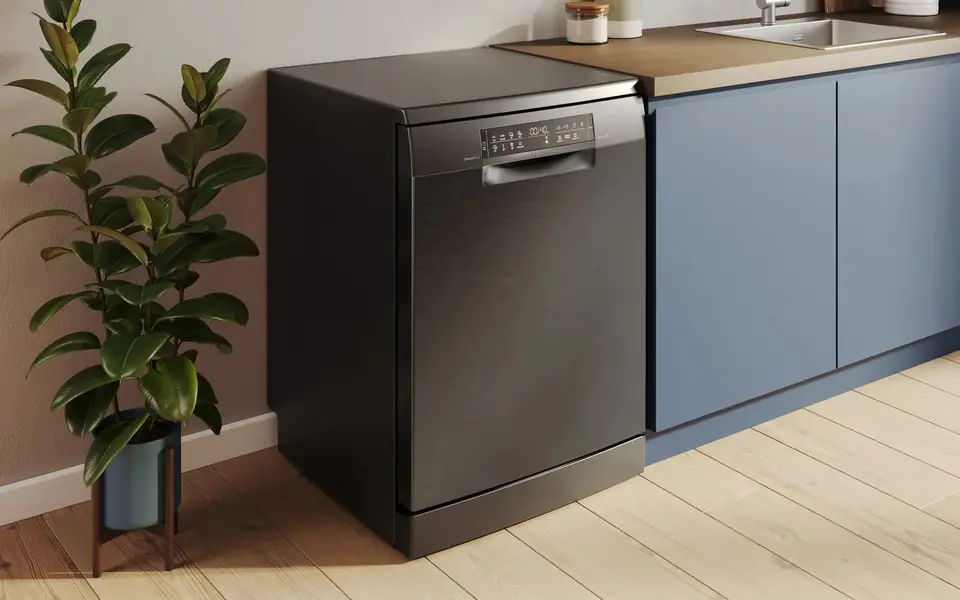 Buying guideChoosing your dishwasher well: freestanding, integrated, 45 or 60 cmThree in four Belgians have a dishwasher, and it lasts nearly twelve years on average. Before choosing one, you need to know where it will go, how many place settings you need and what noise level you can accept. The rest, drying and options, makes the difference in price.5 min read