
Cougnou: the Belgian Christmas morning brioche, homemade
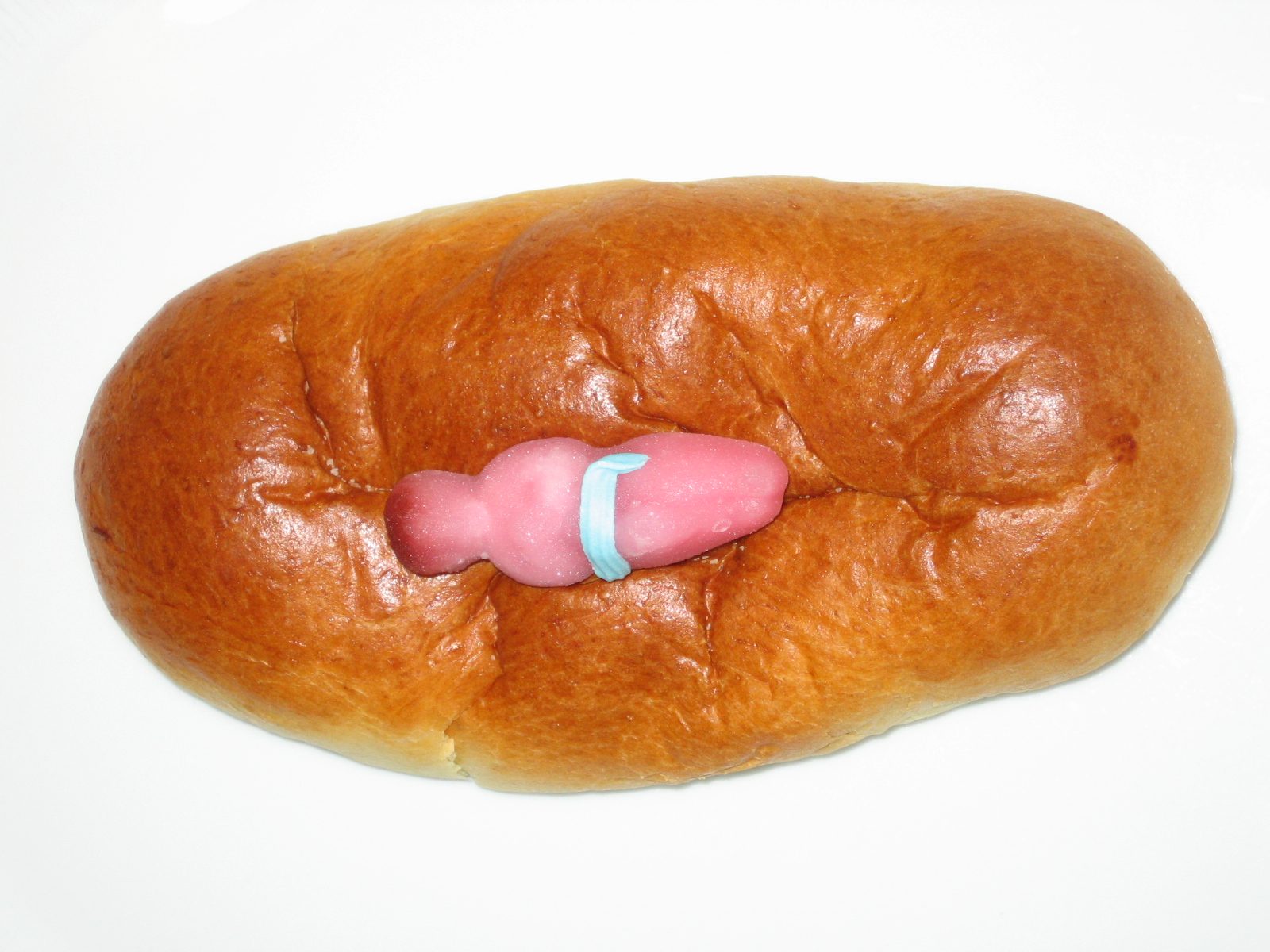
On Christmas morning, in Wallonia and Brussels, people dunk their cougnou in hot chocolate. This brioche shaped like a swaddled baby Jesus, with pearl sugar or raisins, is very easy to make at home. It mostly needs time for the dough to rise, and an oven set gently.
- 2 cougnous each serves 6, 30 min hands-on
- 2 proves : 1 h 30, then 1 h
- 25 min at 180 °C in a conventional oven
- The oven on 40 °C acts as a proving box for rising
Appliance and settingOven 180 °C conventional (and 40 °C for proving)
Ingredients
The Belgian Christmas bread
The cougnou (or cougnolle) is an elongated brioche representing the swaddled Baby Jesus. It is given to children on Christmas morning, and eaten lukewarm, plain, buttered or dipped in hot chocolate. On top, a small terracotta or sugar medallion, the 'roulette', is traditionally placed. The recipe requires above all patience : the dough has to rise twice. Your oven can help with that.
The steps
- Activate the yeast. Warm the milk (about 35 °C: it should feel barely warm to the touch). Crumble in the yeast, add a spoonful of sugar, stir and wait 10 minutes: a foam will form.
- Knead the dough. In a large bowl or the bowl of a stand mixer, put the flour, the remaining sugar and the salt (the salt must not touch the yeast directly). Add the milk and yeast mixture and the 2 eggs. Knead for 5 minutes, then add the softened butter in pieces and knead for another 8 to 10 minutes. The dough should be smooth, supple and pull away from the sides.
- Add the fillings. Work in by hand half of the pearl sugar and the well-drained raisins, if using.
- First rise. Cover the bowl with a tea towel. Leave to rise for 1 h 30 in a warm place: the dough should double in size. If your oven has a 'dough proving' setting, set it to 40 °C. Otherwise, switch the oven off with the light on.
- Shape. Knock back the dough by pressing on it, then cut it in two. For each cougnou: one large elongated ball rolled into a 20 cm sausage for the body, and two small balls for the head and feet. Stick them to the two ends of the sausage, pinching well. Place the cougnous on a tray lined with baking paper, well spaced apart.
- Second rise. Cover and leave to rise for another hour. Take the tray out of the oven if you used it as a proving box.
- Glaze and decorate. Preheat the oven to 180 °C conventional. Beat the egg yolk with a spoonful of milk and brush the cougnous with it. Sprinkle with the remaining pearl sugar. Press the medallion into the middle if it can withstand baking (terracotta); a sugar medallion is placed afterwards.
- Bake. Bake on shelf 2 for 22 to 25 minutes. They should be well browned and sound hollow when tapped underneath. If they colour too quickly, cover them with foil after 15 minutes.
- Leave to cool on a wire rack for 20 minutes before serving.
Appliance settings
| Step | Appliance and mode | Setting | Duration |
|---|---|---|---|
| Warm the milk | Induction hob | Shelf 3, without boiling | 1 to 2 min |
| Proving | Oven, dough proving setting (or light only) | 40 °C maximum | 1 h 30, then 1 h |
| Cooking | Oven, conventional heat | 180 °C, shelf level 2 | 22 to 25 min |
| Baking (alternative) | Oven, fan-assisted | 165 °C, rack 2 | 20 to 22 min |
| Reheating the next day | Oven, fan-assisted | 150 °C | 5 min |
Above 40 °C, the yeast is damaged. If your oven doesn't have a proving mode, don't switch it on: the light is enough to keep it gently warm.
Variations
- Chocolate : replace the raisins with 100 g of chocolate chips.
- Plain : no raisins or pearl sugar, just egg-washed and buttered.
- Mini cougnous : shape 6 mini cougnous for the children and bake them for 15 minutes.
- Flavoured : a spoonful of orange blossom water or the zest of one orange in the dough.
Storage and advance preparation
Keeping your cougnou 2 to 3 days in a cloth bag or an airtight tin. It freezes very well once cooled, for 2 months : pop it in the oven at 150 °C for 5 minutes to bring back its softness. To have it warm on Christmas morning, make the dough the night before and leave it to prove overnight in the fridge.
On the evening of the 24th, make the dough and leave it in the fridge. On the morning of the 25th, shape the cougnous, then put them in the oven on proving mode while you make the hot chocolate. An hour and a half later, they're golden and the house smells of brioche. And for a homemade gift to slip under the tree, add a few speculoos in a pretty bag.
Which appliance?
For a brioche, you need an oven that heats gently and evenly, and ideally one with a proving mode or steam for a really soft crumb.
An oven with conventional heating and bottom heat
For brioches, choose an oven with natural convection and bottom heat. Examples: Smeg SFP61TB3FR (Linea, pyrolytic, 10 modes, up to 280 °C), Beko BCBIM17604KSBMPS (pyrolytic, 3D hot air, Wi-Fi), Whirlpool OMR55RR0B (natural convection, pizza mode, pyrolytic and hydrolysis).
From €629.99 to €759.99
An oven with assisted steam
A little steam keeps the crust soft and the crumb tender. Examples: Bosch HQG572BB3F (Hotair Steam, 0.25 litre tank), Beko BBIS17302BMPC (VapeurEssentiel, for crispiness and softness), Hisense BSA66334PBDG (assisted steam with 130 ml tank, probe).
From €499.99 to €929.99
Recommended prices checked on 15 October 2026: the product page is the reference, and Nimesclub members often get a reduced price. Dough proving mode isn't available on every oven: check the product page.
Ovens for home baking in store
 SMEG SFP61TB3FR built-in oven€759.00
 Built-in oven BEKO BCBIM17604KSBMPS€629.00
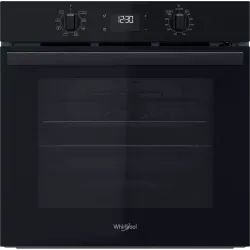 Built-in oven WHIRLPOOL OMR55RR0B€749.00
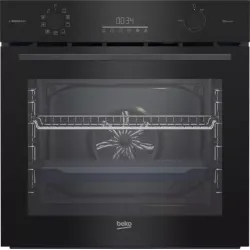 Built-in oven BEKO BBIS17302BMPC€499.00
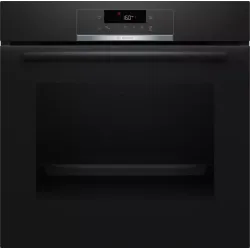 Built-in oven BOSCH HQG572BB3F€929.00
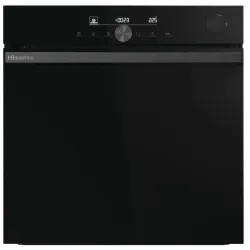 Built-in Oven HISENSE BSA66334PBDG€849.00
Got a taste for home baking? Try our crusty homemade bread. And to understand your oven's settings, read our guide to oven functions.
Frequently asked questions
What's the difference between a cougnou and a cougnolle?
None: it's the same Christmas bread. People say cougnou in Liège, Namur and Brussels, cougnolle in Hainaut. In Flanders, you're more likely to find the 'kerstbrood', a similar Christmas bread.
Why isn't my dough rising?
The room is often too cold, or the milk was too hot and killed the yeast. The milk should be just lukewarm (around 35 °C). To prove the dough, put it in the switched-off oven with the light on, or on dough proving mode at 40 °C if your oven has it.
Can you make cougnou the day before?
Yes: make the dough the evening before and let it rise slowly overnight in the fridge. In the morning, shape it, leave it to rise for 1 hour 30 and bake. The dough even tastes better.
The right oven makes all the difference
Steam ovens, pyrolytic ovens, induction hobs: come and see them at our Temploux store, or ask our expert salesperson for advice.
Read next
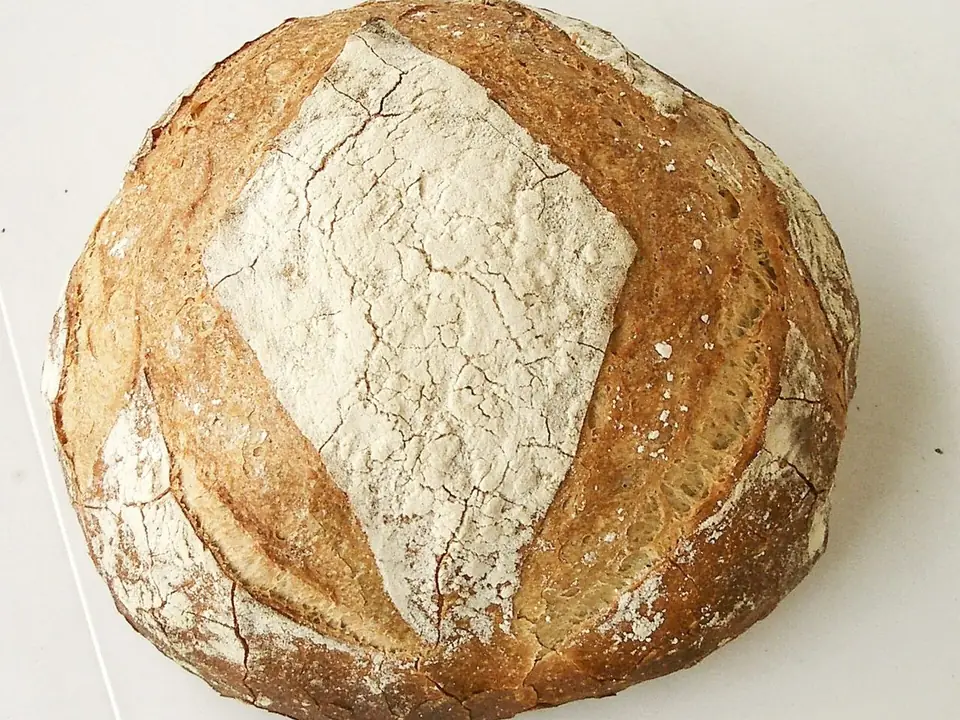 RecipeHomemade crusty bread: in a casserole or with steam, the crust that singsA golden crust that crackles under your fingers, a soft, airy crumb, the smell of warm bread through the whole house: making your own bread is simpler than you think. The secret to a good crust is steam at the start of baking. A cast-iron casserole creates it naturally, and many recent ovens can inject it.18 h 45 · Easy · 6 servings
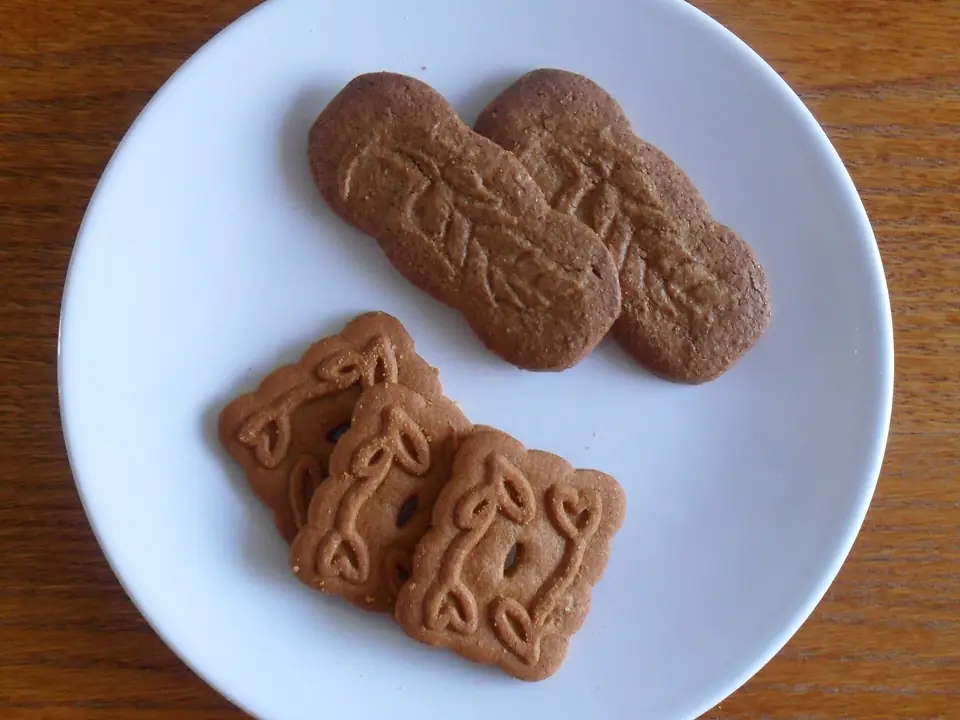 RecipeHomemade speculoos for Saint Nicholas Day: crisp, spiced, easyOn 6 December, Saint Nicholas visits Belgian homes and always leaves speculoos behind. Homemade, they fill the whole kitchen with the smell of cinnamon and brown sugar. The dough takes 15 minutes to prepare, rests overnight, and fan-assisted heat lets you bake two trays at once.34 min · Easy · 10 servings
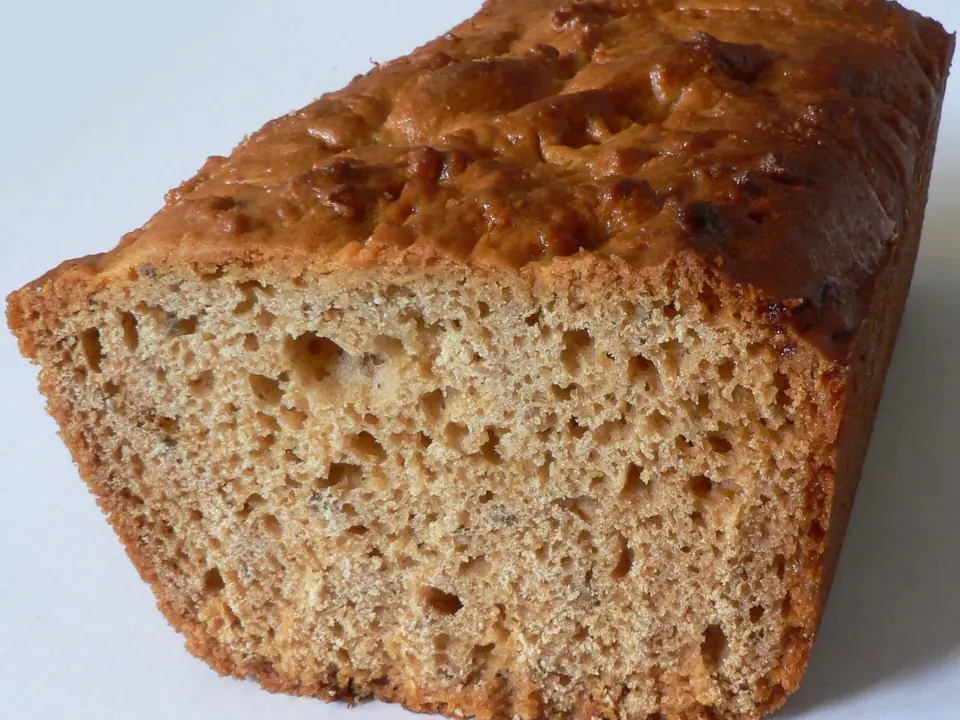 RecipeHomemade pain d'épices: soft, honey-scented, and even better three days laterPain d'épices is the smell of December throughout the house. Honey, flour, spices and a slow bake in the oven: the recipe is within everyone's reach. Its little secret? It tastes even better after two or three days, wrapped in a tea towel. Perfect for making ahead of the festivities.1 h 10 · Easy · 10 servings