
Homemade foie gras mi-cuit: the Christmas terrine, set to the degree
Making your own foie gras is simpler than you think, and much cheaper than a caterer's terrine. Everything hinges on one number: the core temperature. With a low-temperature oven or a steam oven, and a probe, you get a pink, melting terrine with no fat lost. And it can be prepared several days before Christmas Eve.
- 8 to 10 people, 30 min preparation
- Oven at 90 °C in a bain-marie or steam at 80 °C
- Stop when it reaches 50 °C at the core : the probe does everything
- To do 2 to 4 days ahead Christmas is better
Appliance and settingOven at 90 °C in a bain-marie, or steam oven at 80 °C, with probe
Ingredients
Homemade foie gras, stress-free
In Belgium, foie gras is almost as much a part of the Christmas Eve feast as the Yule log. Making it yourself takes a little care, but no chef's skills. The principle: well-tempered foie gras, a weighed seasoning, a very gentle cooking and a precise stop at 50 °C at the core. Your oven's probe, or a simple thermometer, does all the work.
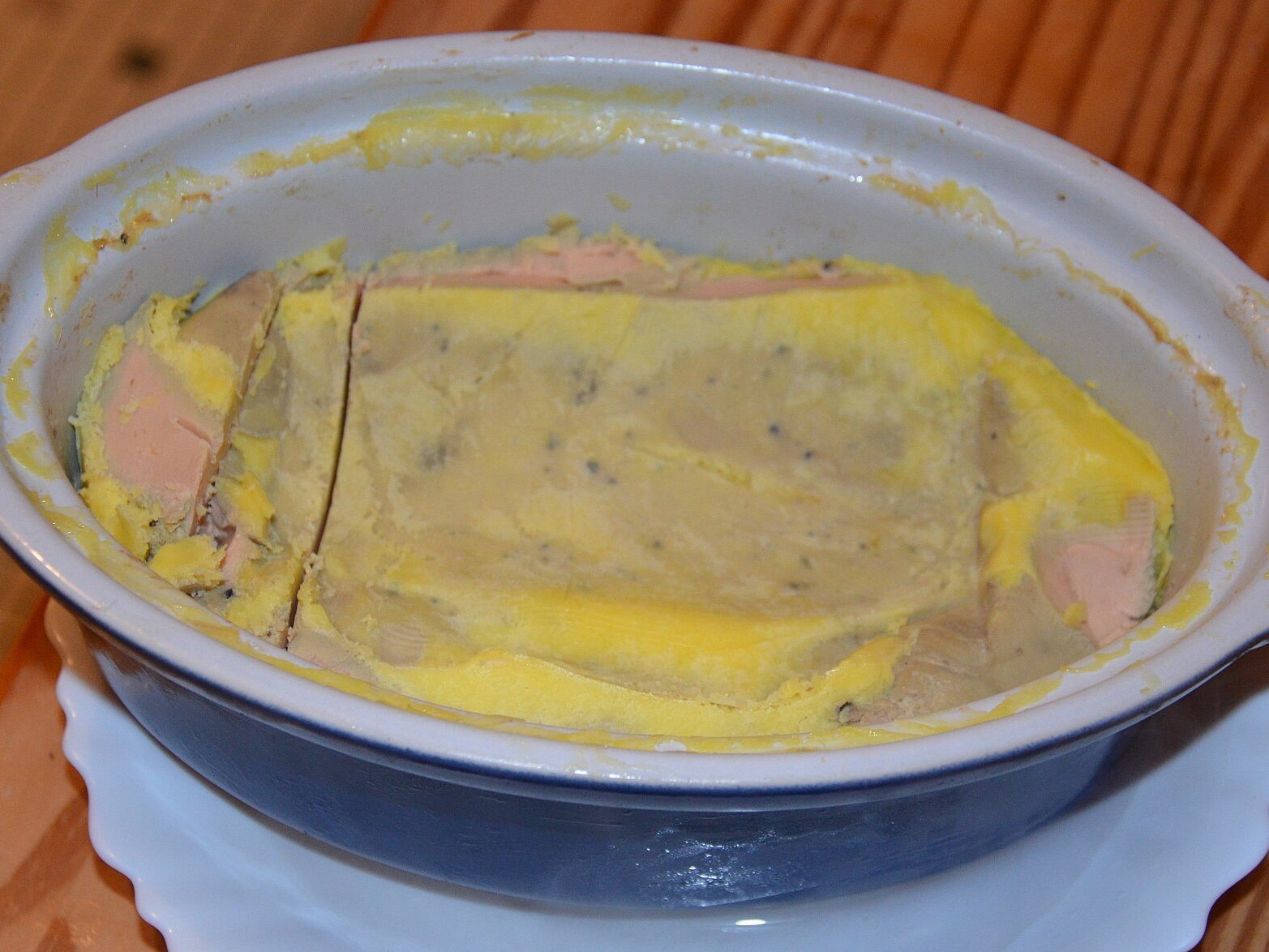
The steps
- Temper the foie gras. Take it out of the fridge an hour beforehand. It should be soft to the touch: cold, it breaks; too warm, it melts in your hands.
- Open out and devein. Gently separate the two lobes. Using the tip of a small knife or the handle of a spoon, follow the main large vein from where it appears, then pull it gently out. Do the same with the two or three veins branching off it. Don't worry if the liver gets damaged: it reforms as it cooks.
- Season. Mix the salt, pepper and sugar. Sprinkle the opened lobes on both sides, then splash with alcohol if using.
- Pack into the terrine. Place the larger lobe at the bottom, smooth side against the terrine, then the second on top. Press down well to expel the air. Cover with cling film and leave to rest for 30 minutes in a cool place if you have time.
- Prepare the bain-marie. Preheat the oven to 90 °C. Place the terrine in a larger dish and pour in hot water (about 70 °C, not boiling) up to two-thirds of the terrine's height.
- Insert the probe. Insert the probe into the centre of the foie gras, in the thickest part. Set a core temperature of 50 °C. Cover the terrine (a lid with a hole lets the cable through; otherwise use foil).
- Cook gently. Allow 35 to 50 minutes depending on the oven and the shape of the terrine. The oven will beep or switch off at 50 °C: remove the terrine from the bain-marie immediately.
- Press and cool. Spoon off some of the melted fat and set it aside. Place a piece of card cut to the size of the terrine, wrapped in cling film, on the foie gras, with a small weight on top (200 to 300 g). Leave to cool slightly, then cover the surface with the reserved fat and refrigerate for at least 48 hours.
Appliance settings
| Method | Appliance and mode | Setting | Duration |
|---|---|---|---|
| Bain-marie (classic method) | Oven, natural convection or gentle fan heat | 90 °C, shelf level 2, water at 70 °C | 35 to 50 min, until 50 °C at the core |
| Steam | Steam oven or combi steam oven | 80 °C, 100% steam | 30 to 40 min, until 50 °C at the core |
| Check | Oven probe or thermometer | Stop at 50 °C (part-cooked); 55 °C for more well-done foie gras | - |
| Resting | Fridge | 4 °C, under light pressure | 48 h minimum |
Timings are given for a lobe of 500 to 600 g in a porcelain terrine. A cast-iron terrine heats more slowly: always go by the core temperature, not the clock.
Variations
- With gingerbread : slip a thin layer of diced gingerbread between the two lobes. Perfect with our homemade gingerbread.
- With figs : a few dried figs cut in half, soaked in port, placed in the centre of the terrine.
- With jenever : replace the port with an aged Belgian genever, for a distinctly local touch.
- Goose foie gras : same method; it is a little more delicate and renders less fat.
Storage and advance preparation
It's the ideal dish to make ahead: prepare the terrine 2 to 4 days before Christmas Eve. Covered with its fat and well wrapped, it keeps 6 to 7 days in the fridge. Once opened, eat it within 3 days. For neat, clean slices, use a knife dipped in hot water and wiped between each cut, and serve the foie gras 10 minutes after taking it out of the fridge.
Buy an “extra” liver from your butcher or poulterer, and order it early: in Christmas week, good lobes sell out fast. And if your oven doesn't have a probe, a 15 € kitchen thermometer does exactly the same job. What matters is never exceeding 55 °C. For the rest of the meal, go on with some au gratin scallops.
Which appliance?
For a successful foie gras, you need an oven stable at low temperature and, ideally, a meat probe or a steam.
An oven with a cooking probe
The probe stops cooking at the right temperature, without opening the door. Examples: Siemens HB774G2B1 (iQ700, cooking probe, CookControl Pro, Home Connect), Samsung NV7B45502AB (probe included, Dual Cook Flex, steam), Hisense BSA66334PX and BSA66334PBDG (probe, assisted steam and AirFry).
From 599,99 € to 1 229,99 €
A pyrolytic fan oven
A precise oven at low temperature is enough, with a thermometer inserted into the centre. Examples: Bosch HBA274BB3F (Series 4, Hotair 3D), Whirlpool WOI68PT1SXAF (6th Sense and AirFry).
809,99 € and 1 049,99 €
Public prices recorded on 15 October 2026: the product page is the reference, and Nimesclub members often get a reduced price. Check on the product page whether the probe is supplied with the oven.
Ovens with probe and steam in store
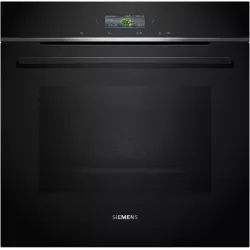 SIEMENS HB774G2B1 Built-in Oven€1,229.00
 Built-in Oven SAMSUNG NV7B45502AB€1,079.00
 Built-in oven HISENSE BSA66334PX€599.00
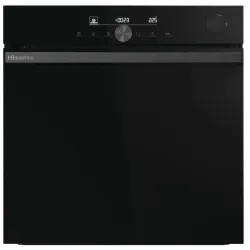 Built-in Oven HISENSE BSA66334PBDG€849.00
 Built-in Oven BOSCH HBA274BB3F€809.00
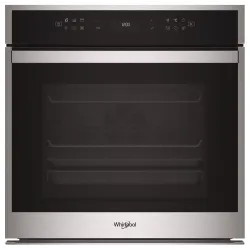 Built-in oven WHIRLPOOL WOI68PT1SXAF€1,049.00
Low temperature, steam, probe: all these modes are explained in our guide to oven functions. And to plan the whole festive meal with a single oven, read our oven-baked Christmas menu.
Frequently asked questions
Is it absolutely necessary to devein foie gras?
Yes, at least the large veins. They stay hard and greyish after cooking. There's no need to aim for perfection, though: the small vessels melt during cooking. A tempered liver is much easier to devein than one taken straight from the fridge.
My foie gras released a lot of fat, why?
It overheated. Above 55 to 58 °C at the core, the fat melts and escapes. That's why you cook gently and stop at 50 °C: the temperature rises a little more as it cools. Save the fat, it's delicious for frying potatoes.
Can you freeze a mi-cuit foie gras terrine?
It's possible, if well wrapped, for two months at most, but the texture becomes a little grainier. Best of all is to make it two to four days ahead and keep it in the fridge.
The right oven makes all the difference
Steam ovens, pyrolytic ovens, induction hobs: come and see them at our Temploux store, or ask our expert salesperson for advice.
Read next
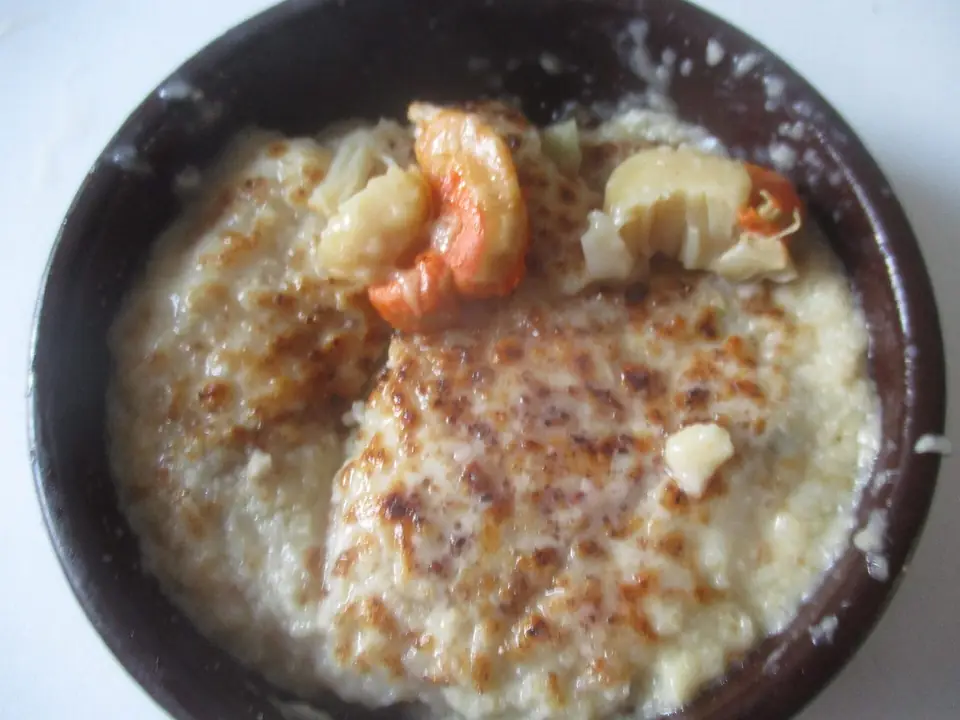 RecipeBaked scallops au gratin: the festive starter, tender and goldenGratinated scallops are the starter that always makes an impression on the Christmas table. A fondue of leeks, a creamy white wine sauce, scallops just pearly and a golden crust. The pitfall? Overcooked scallops that turn rubbery. With a very hot grill and four minutes of cooking, they stay tender.50 min · Easy · Serves 4
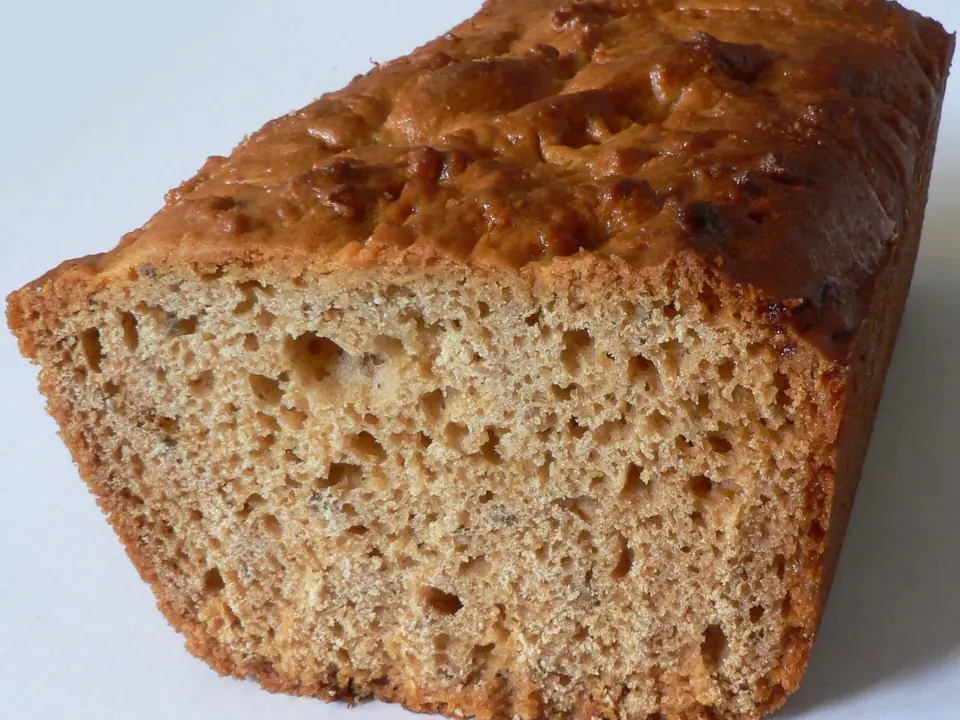 RecipeHomemade pain d'épices: soft, honey-scented, and even better three days laterPain d'épices is the smell of December throughout the house. Honey, flour, spices and a slow bake in the oven: the recipe is within everyone's reach. Its little secret? It tastes even better after two or three days, wrapped in a tea towel. Perfect for making ahead of the festivities.1 h 10 · Easy · 10 servings
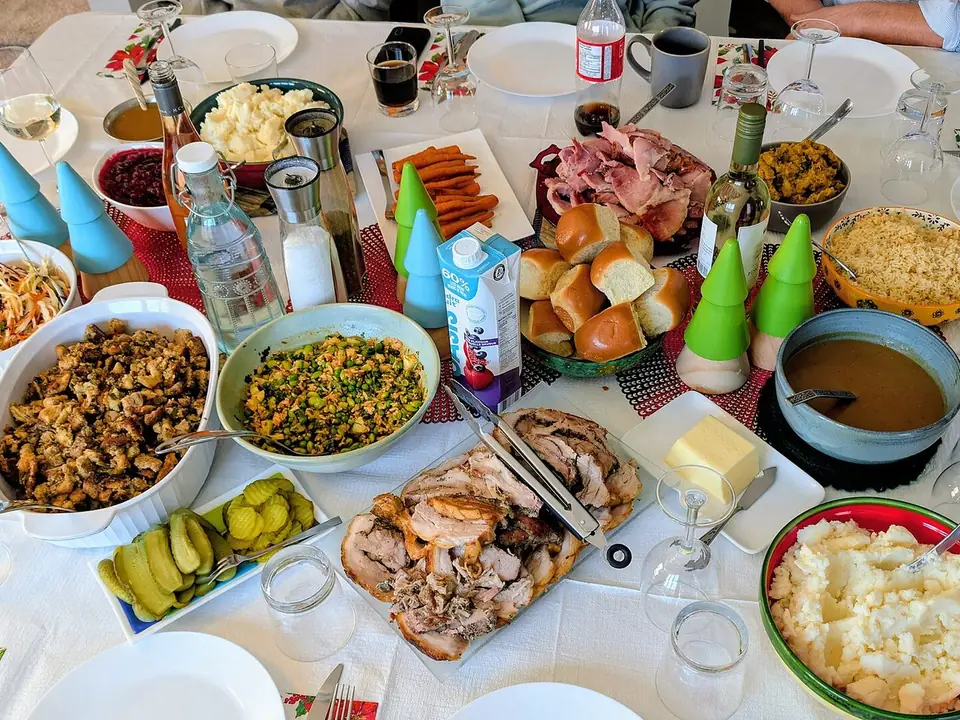 Cooking tipA Christmas menu with just one oven: an hour-by-hour plan to serve everything hotA turkey taking up the whole oven, a gratin waiting its turn, toasts to warm and a Yule log to keep cool: on Christmas Eve, the oven becomes the weak link. With a good plan, though, one oven is enough to serve everything hot, without spending the evening in the kitchen. Here is the method, from three days before right through to dessert.7 min read